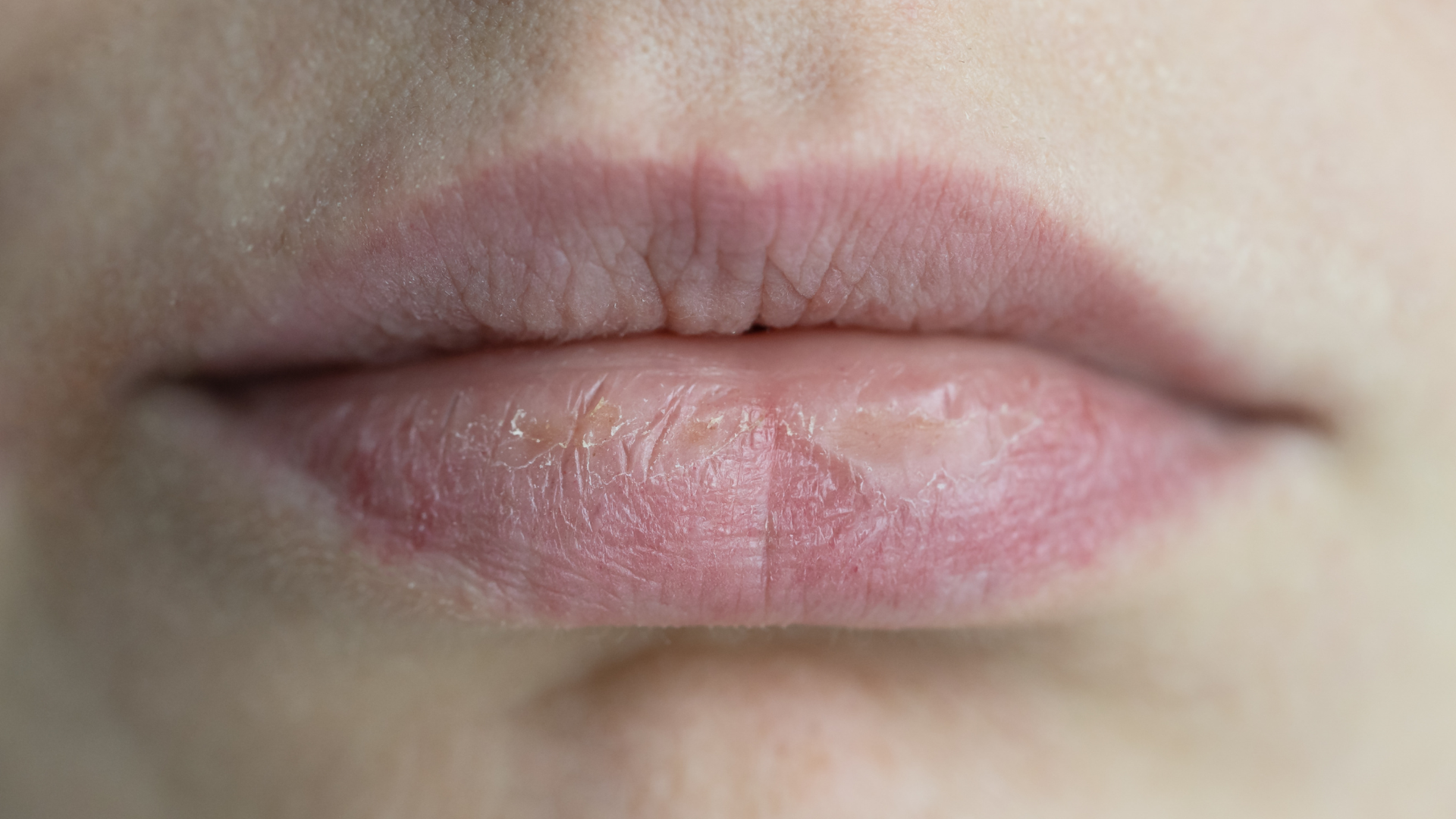


The autumn/winter period is particularly challenging for the skin. Lowered temperatures, wind, central heating and reduced air humidity have a negative impact on the epidermal hydrolipid barrier, leading to its weakening. The skin becomes more susceptible to irritation, dryness and loss of elasticity. This article discusses effective strategies to prepare the skin for the autumn-winter season, taking into account active ingredients such as retinol, vitamin C, vitamin E and the importance of protective creams. A holistic approach to skincare including diet, supplementation and rituals to support skin resilience is also presented.
The impact of environmental factors on the skin in autumn and winter.
In autumn and winter, the skin is exposed to a number of adverse factors:
● Low temperatures and wind cause blood vessels to constrict, limiting the transport of nutrients to skin cells.
● Dry air in heated rooms contributes to excessive transepidermal water loss (TEWL).
● UV radiation, although less intense, is still present and, combined with reflection from snow, can accelerate photo-ageing.
Rebuilding and strengthening the hydrolipid barrier.
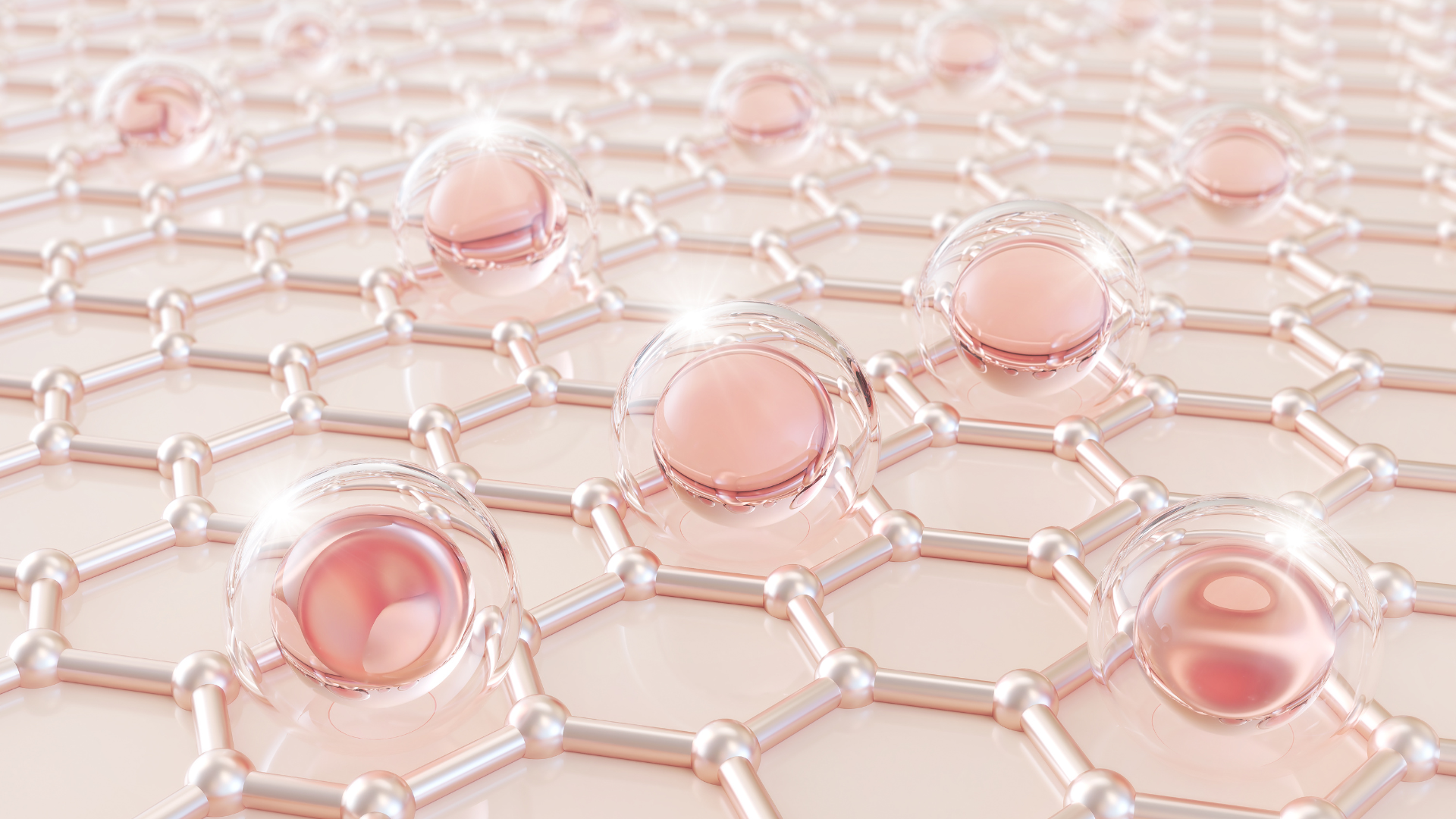
The basis of autumn and winter care is the regeneration of the skin's protective barrier against water loss and irritants. Cosmetics containing:
● Ceramides - natural lipid components that replenish defects in the intercellular cement.
● Fatty acids (e.g. omega-3, omega-6) - promote skin elasticity and hydration.
● Cholesterol - one of the key barrier lipids.
Active ingredients suitable for the autumn/winter season.
Retinol
Retinol, or vitamin A in the form of retinoids, is the ideal ingredient for autumn and winter due to less sunshine. It supports the cell renewal process and has an anti-wrinkle and brightening effect. However, its use should be gradual and always combined with photoprotection.
Vitamin C
Antioxidant vitamin C strengthens blood vessels, lightens hyperpigmentation and promotes collagen synthesis. It is ideal for use in daily formulations to increase the skin's resistance to oxidative stress.
Vitamin E
Vitamin E, also known as the vitamin of youth, acts as a powerful antioxidant, neutralising free radicals and promoting skin regeneration. In duo with vitamin C, it shows a synergistic anti-ageing effect.
Protective cream
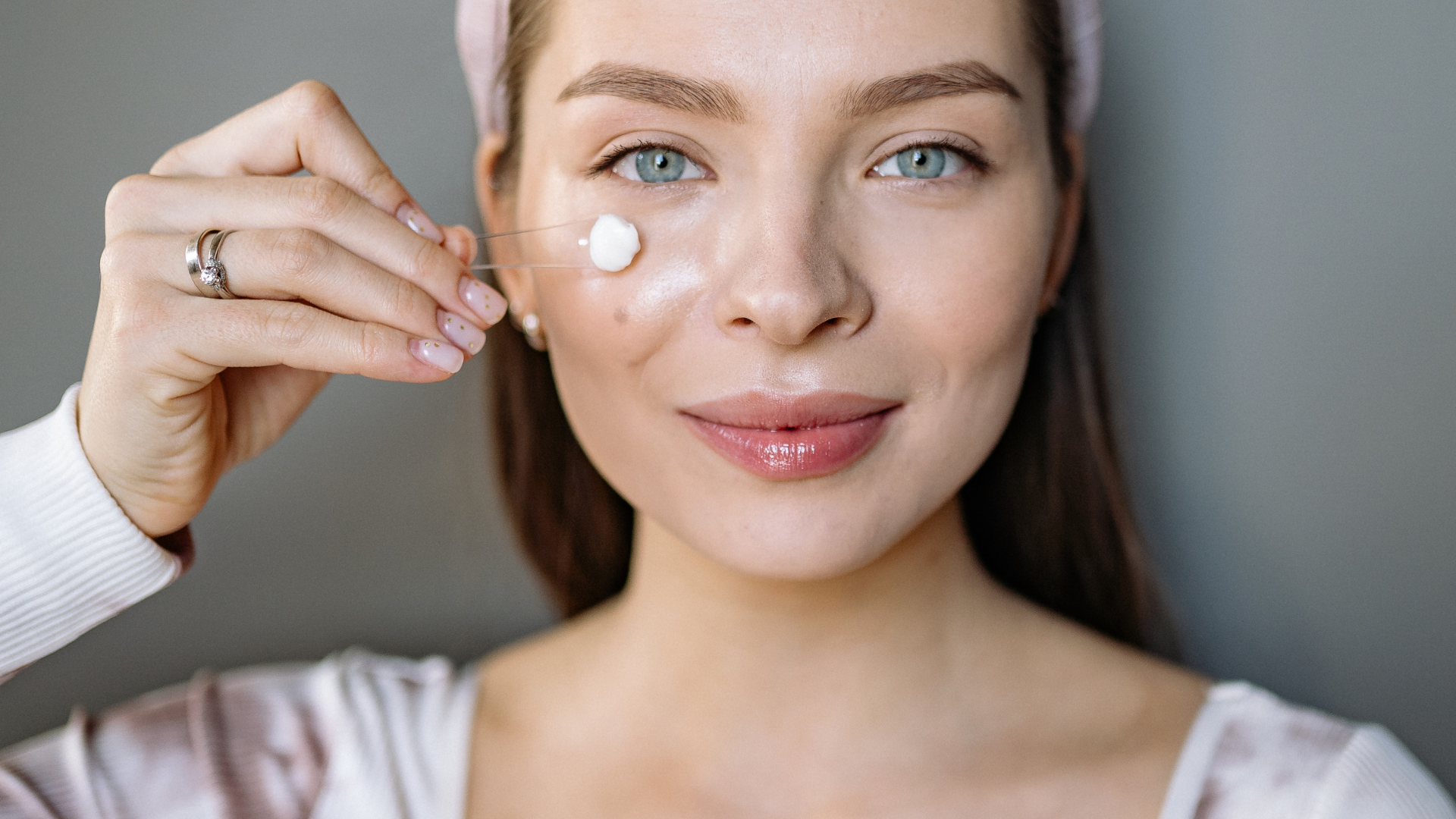
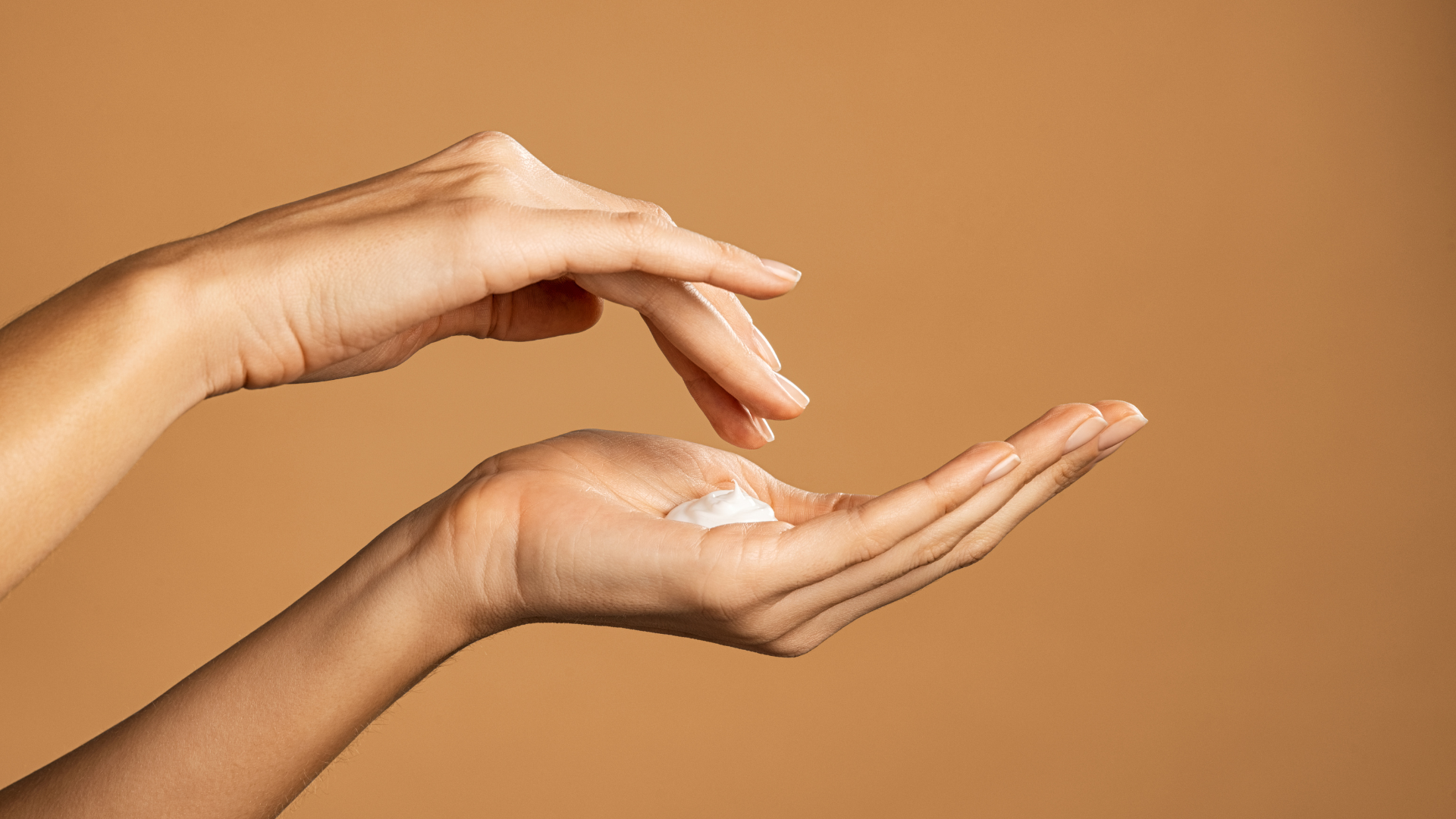
An essential part of skin care is the use of protective creams, especially for skin exposed to frost and wind. They should contain occlusive ingredients such as shea butter, lanolin or squalane, which form a protective layer against external factors.

A holistic approach to skin care.
Diet and supplementation
Healthy skin starts from within. During autumn and winter, it is worth ensuring an adequate supply:
● Omega-3 fatty acids - present in flaxseed oil and fish, among others, improve skin hydration and elasticity.
● Vitamin D - its deficiency in winter can reduce immunity and accelerate skin inflammation.
● Antioxidants (e.g. selenium, zinc, coenzyme Q10) - promote protection against oxidative stress.
Hydration
Despite the cold weather, the body continues to lose water. It is worth remembering to drink water regularly and to reach for herbal teas (e.g. nettle, chamomile) to support detoxification.
Care rituals
● Gentle cleansing - avoid aggressive detergents. Milks, creamy foams or cleansing oils are ideal.
● Layer care - using moisturising toners, antioxidant serums and emollient creams to finish.
● Nourishing masks - 1-2 times a week it is worth using regenerating masks based on algae, hyaluronic acid or honey.

Strengthening skin immunity.
The skin's resilience is its ability to defend itself against environmental factors and micro-organisms. It can be strengthened by:
● Regular enzymatic exfoliation - improves cell renewal without disturbing the lipid layer.
● Use of pre- and probiotics in cosmetics - they support the skin microbiome, which has a protective function.
● Avoiding sudden temperature changes - especially important for vascular and sensitive complexions.
Summary
Preparing the skin for the autumn/winter season requires a comprehensive approach. Appropriate care with active ingredients such as retinol, vitamin C and E, as well as the use of protective creams, allows the skin to remain in good condition despite unfavourable weather conditions. Combined with the right diet, supplementation and hydration from within, it is possible to effectively support the skin's natural immunity and protective barriers. Cosmetology in the 21st century is increasingly based on a holistic view, where external beauty is the result of the balance of the body as a whole.