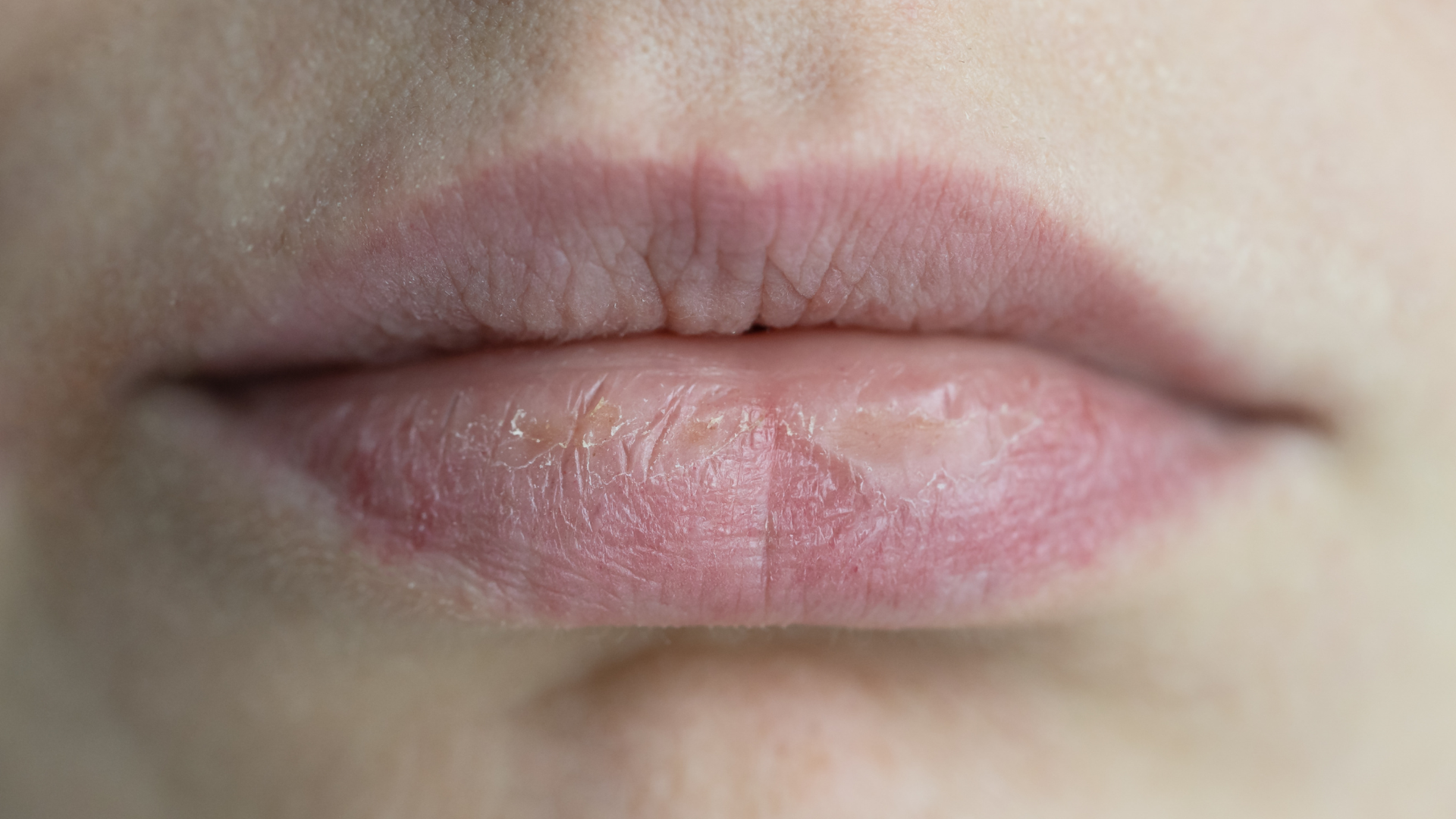

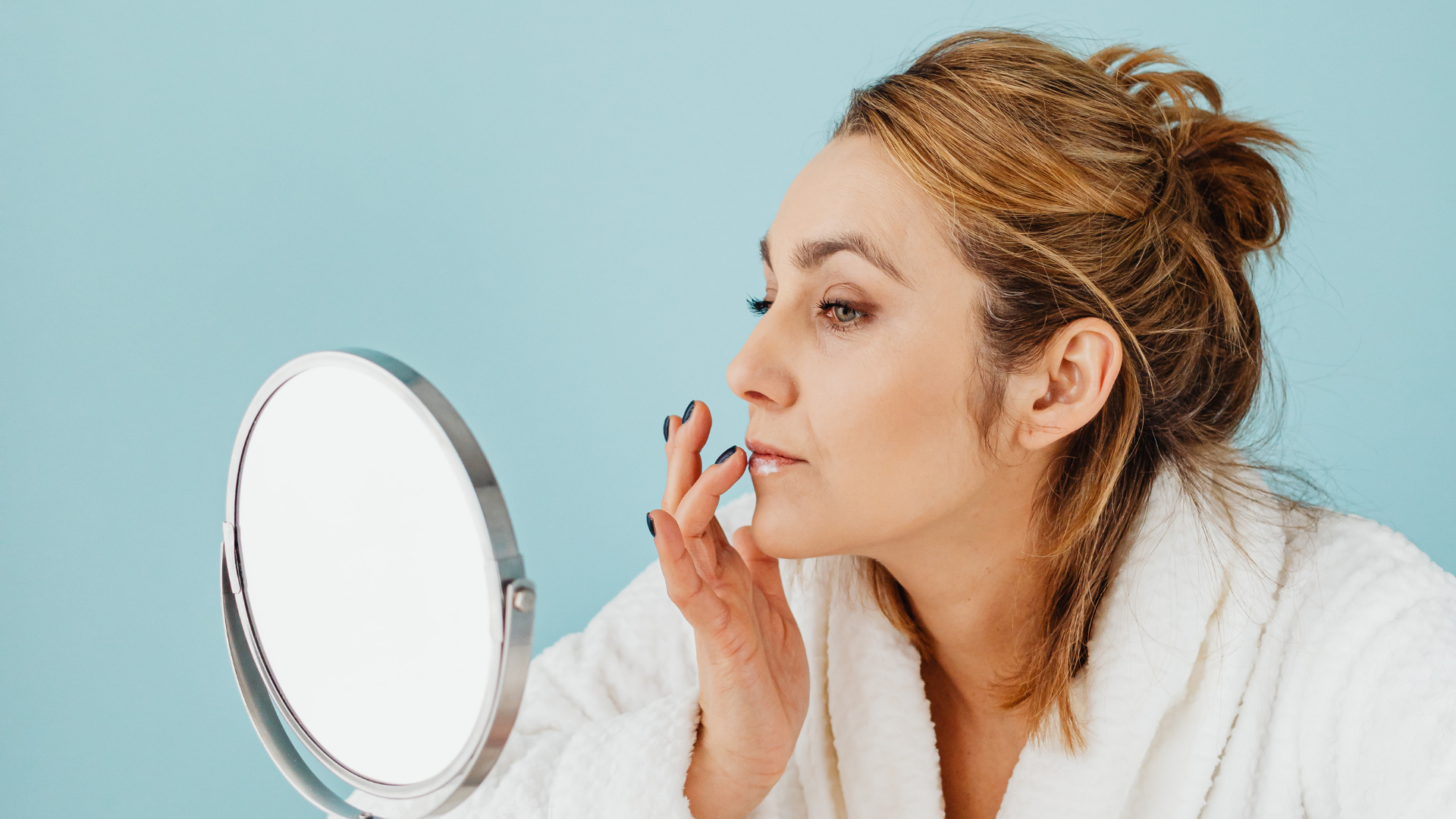
Aesthetic cosmetology bridges the gap between classical cosmetics and aesthetic medicine. The aim of the procedures performed is to improve the appearance of the skin, its quality and barrier function, with minimal invasiveness. Procedures such as microneedling, chemical peels, needle-free mesotherapy or laser therapy initiate a number of repair processes in the skin, which require appropriate care support. Without proper regeneration and protection of the epidermal barrier, treatment effects may be short-lived and the skin prone to complications, hypersensitivity or inflammation.
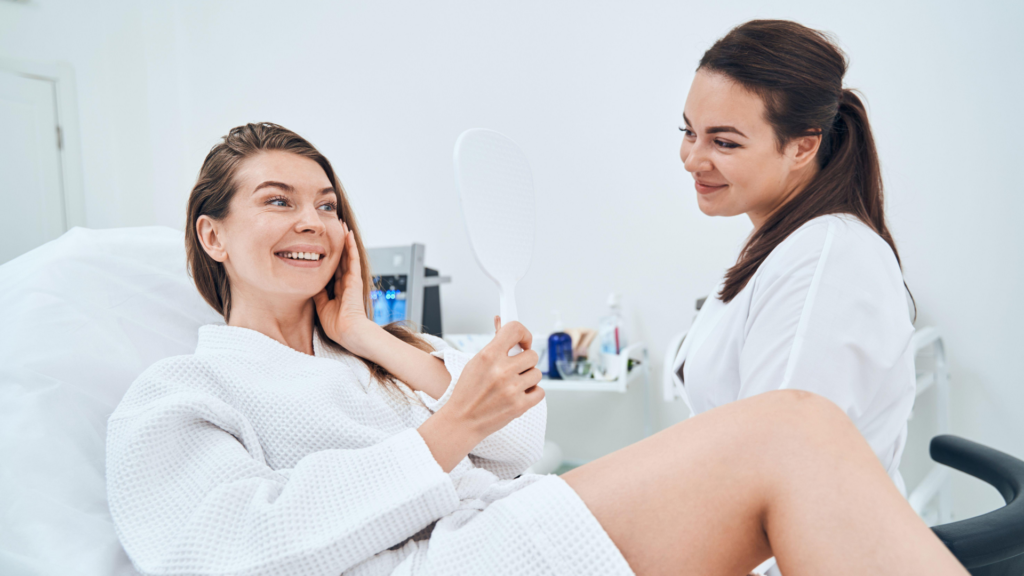
The most commonly performed treatments in aesthetic cosmetology and their impact on the skin.
- Skin micro-puncture - The treatment involves deliberately damaging the epidermis by creating microchannels that initiate repair processes, including the production of collagen (neo-collagenesis) and elastin. A micro-inflammatory response occurs, which triggers a regenerative cascade.
- Chemical peelings (AHA, BHA, PHA) - Chemical exfoliation leads to controlled exfoliation of the epidermis and/or dermis. The skin becomes thinner superficially but thicker deeper as a result of fibroblast stimulation.
- Needle-free and micro-needle mesotherapy - Delivery of active substances (e.g. hyaluronic acid, vitamins, peptides) directly to the skin or by micro-puncture. Revitalisation, hydration and increased cellular metabolism occur.
- Laser and light therapy - Laser or LED light has a biostimulating, regenerative effect, reducing hyperpigmentation, vascular lesions and wrinkles. These treatments can lead to temporary inflammation, erythema and peeling.
The importance of post-operative care
After aesthetic procedures, the skin is in a weakened protective barrier state. Exposed to external factors such as UV, pollutants, pathogens - it requires support in the healing process and restoration of homeostasis.
The role of post-operative care
- Accelerate regeneration of the epidermis and dermis
- Reducing inflammation and the risk of complications
- Enhancement of the therapeutic effects of treatments
- Prevention of post-inflammatory hyperpigmentation (PIH)
- Supporting the barrier function of the skin
Dermocosmetics and professional cosmetics - the foundation of post-operative care
In the post-operative period, the use of professional cosmetics, developed for irritated, reactive skin and in the regeneration phase, is crucial. Dermocosmetics, combining cosmetic and pharmacological action, should have proven efficacy and high dermatological tolerance.
- Cosmetics for sensitive skin
Particularly important in the first few days after treatment, when the skin shows hypersensitivity to external stimuli and irritating ingredients. - Repair formulas
They contain active ingredients that support the skin's repair processes, soothe inflammation and rebuild the hydrolipid barrier.
Home care - prolonging the effects of treatments
An in-office treatment is only the first step to achieving long-lasting results. Daily home care is essential to maintain results, by:
● Continuous hydration of the skin - prevents loss of elasticity and dryness
● Sun protection - minimises the risk of hyperpigmentation (SPF 50+)
● Introduction of dermocosmetics with active ingredients - regenerative and preventive action
● Avoiding irritants - such as retinoids, acids or perfumes in the first few days after treatment
Summary
Appropriate skin care after aesthetic cosmetology treatments is a key element of effective therapy. Skin after microneedling, peels or laser therapy requires comprehensive regeneration, based on dermocosmetics and professional preparations with active ingredients with proven repairing properties. Both in-office and at-home care determine the final effect of the therapy - which is why patient education on the correct post-treatment procedure is so important.