Penetration of cosmetics through the skin - facts and myths from a cosmetologist's point of view.
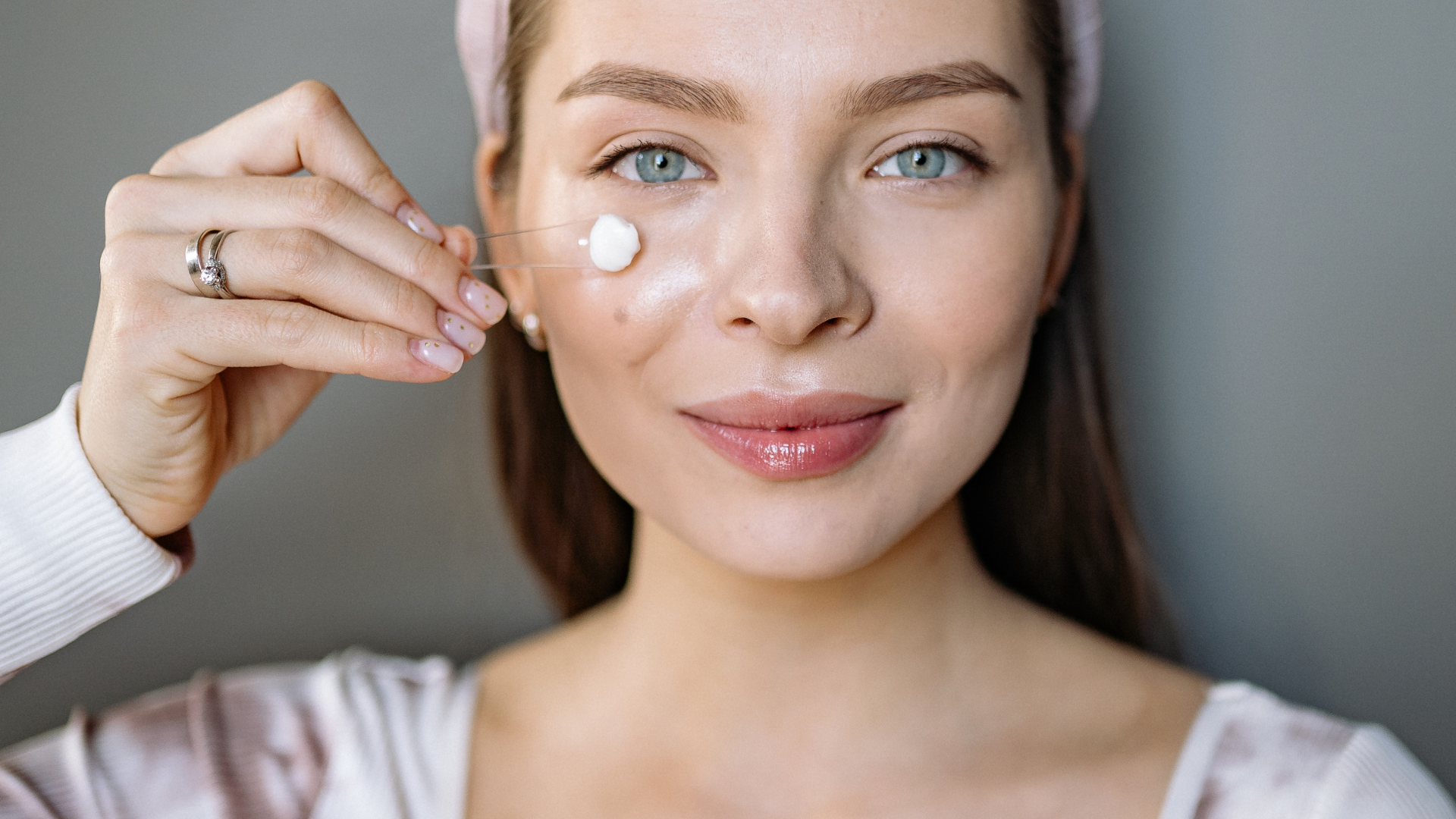
In the world of cosmetology, there is no shortage of spectacular promises from manufacturers - 'collagen cream will turn back time', 'lotion slims and firms the body', 'serum penetrates deep into the skin, working from within'. However, to what extent do these claims match the physiological reality of the skin and scientific knowledge? In this article, we will dispel the most popular myths about the penetration of cosmetics through the skin, based on research and knowledge from dermatology, pharmacology and cosmetology.
Skin structure versus penetration barrier.
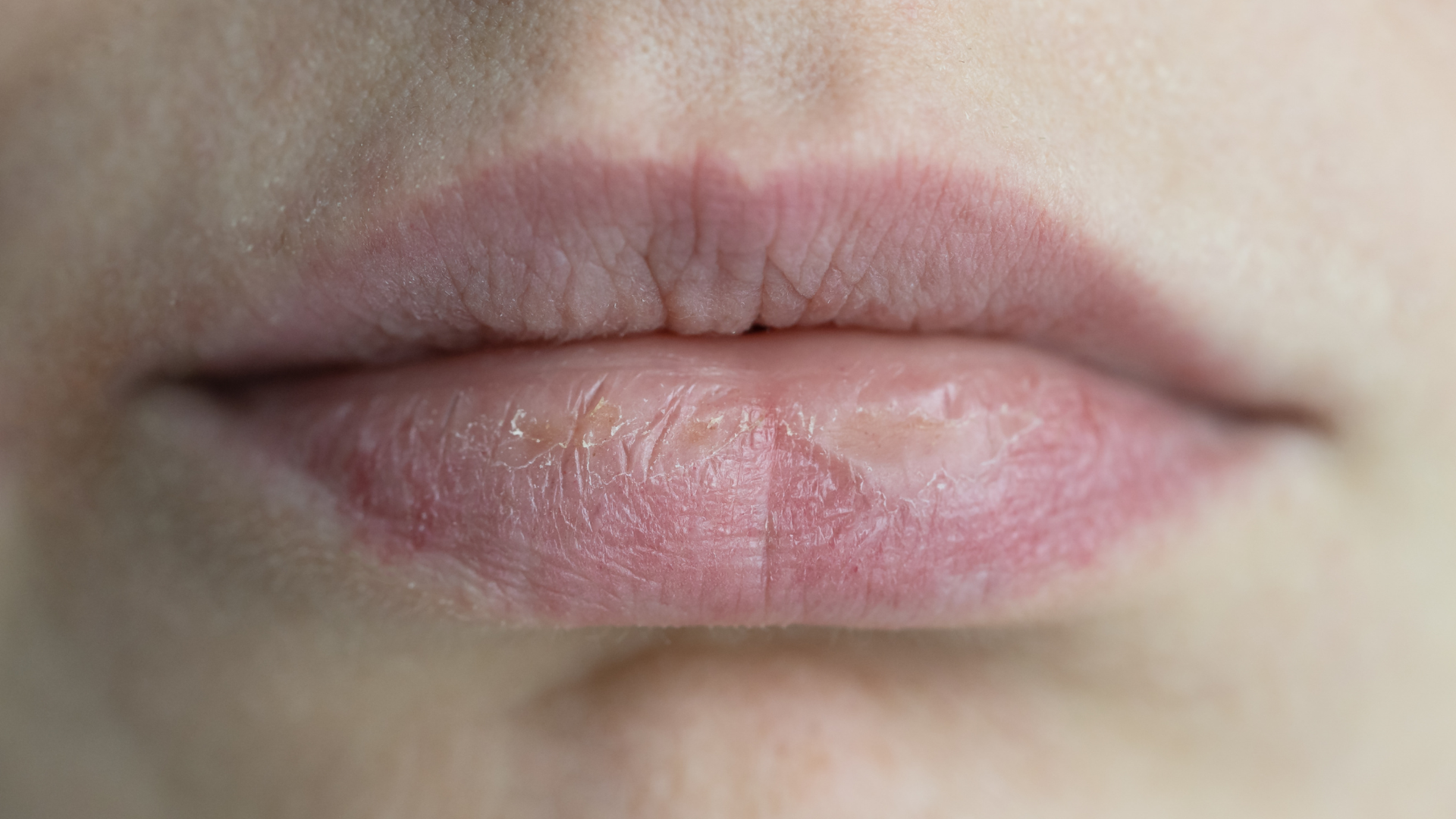
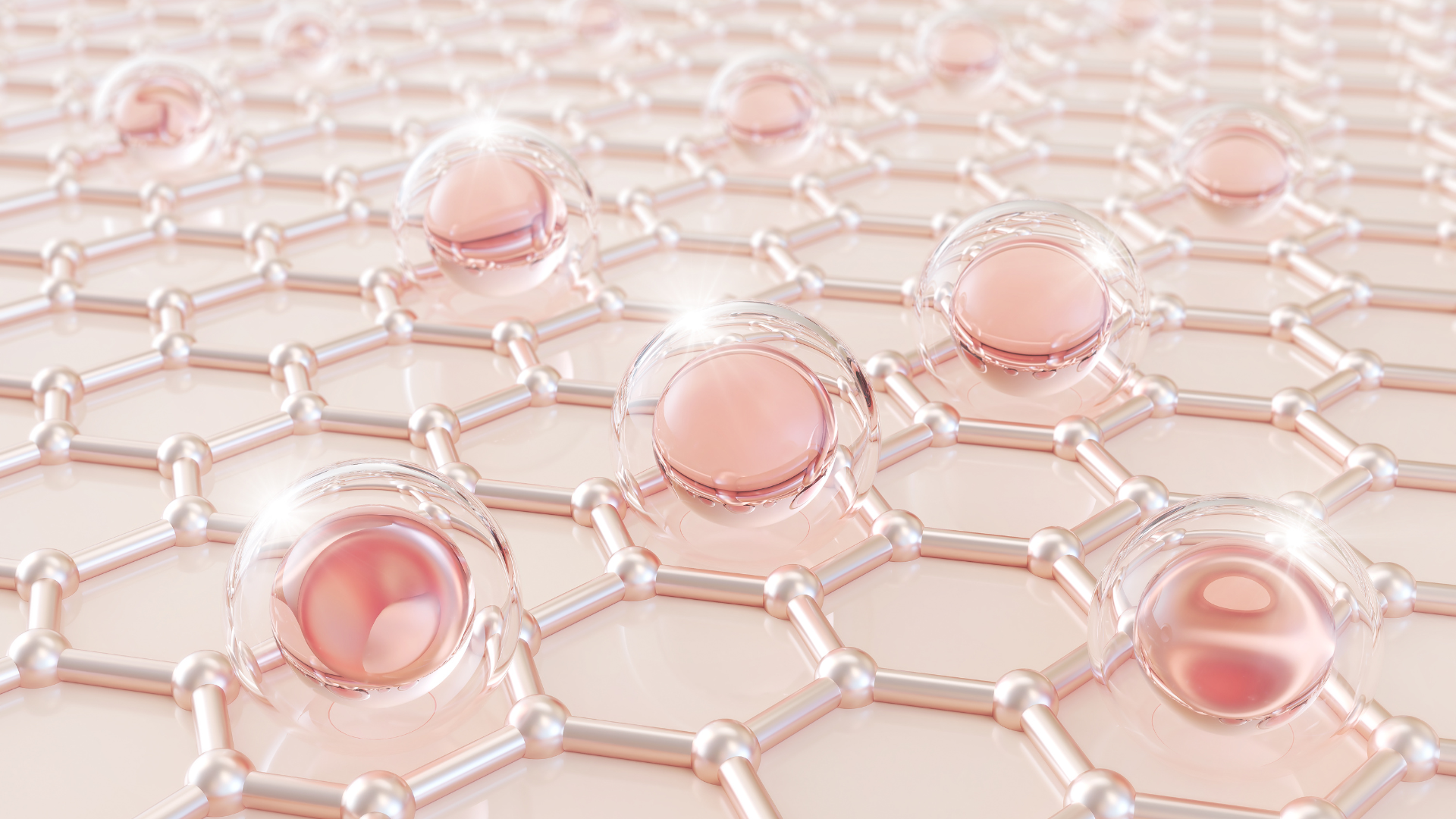
The skin is the largest organ of the human body and has a primarily protective function. Its outer layer, the epidermis, or more precisely its outermost part, the stratum corneum, is the main barrier to external substances. The stratum corneum consists of dead, flattened cells (corneocytes) embedded in a lipid 'cement'. It is this structure that determines which substances have the chance to penetrate deep into the skin and which remain on the surface.
Do the active ingredients actually penetrate the skin?
✅ Fact Some active substances have the ability to penetrate through the epidermis into the deeper layers of the skin, but this happens under certain conditions. In order for an active ingredient to penetrate the living layers of the skin (and not just have a superficial effect), it must meet several criteria: ● Low molecular weight - usually less than 500 Da (the so-called 500 Dalton rule). ● Fat solubility - the skin is more permeable to lipophilic substances. ● Ability to form interactions with epidermal lipids. ● Appropriate formulation of the cosmetic - e.g. the use of liposomes, nanocarriers or penetration promoters. Example: ● Retinol (vitamin A) - penetrates the epidermis and has proven biological effects in the dermis (e.g. stimulation of collagen production). ● Niacinamide (vitamin B3) - penetrates the epidermal barrier well and has anti-inflammatory and brightening effects. ● Hyaluronic acid - in high molecular weight (above 1,000 kDa) it does not penetrate, acting only as a moisturiser on the skin's surface; in low molecular weight form (up to about 20 kDa) it can penetrate slightly deeper.
Firming lotion reduces cellulite - fact or myth? ❌ Myth (partly true cosmetic effect) Firming lotions do not 'dissolve' cellulite and are not able to physically reduce fat. Their action is mainly based on: ● Moisturising the skin - which temporarily improves its appearance. ● The use of cooling/warming ingredients - which can have a straining effect. ● Stimulation of microcirculation - e.g. caffeine, plant extracts. ✅ Fact: Optical effect The use of such preparations may visually improve the appearance of the skin, but does not significantly affect the fatty structures responsible for cellulite. The anti-cellulite effect requires deeper intervention - massages, aesthetic medicine treatments or lifestyle changes.
Collagen in cosmetics - does it penetrate the skin? ❌ Myth Collagen is a protein with a very high molecular weight (~300 kDa), which prevents it from penetrating the stratum corneum of the skin. In cosmetics, it only has a superficial effect - it forms a film on the skin, which can improve hydration and elasticity, but does not rebuild collagen in the dermis. ✅ Fact: Indirect action Some cosmetic ingredients can stimulate the production of the skin's own collagen - e.g. the aforementioned retinol, vitamin C, biomimetic peptides. These are the ones that have a real impact on the skin's structure, not externally supplied collagen itself.
Anti-wrinkle cream 'rejuvenates' the skin - fact or myth? ❌ Myth Cosmetics cannot reverse the ageing process - it is a natural and biological process. However, a well-chosen anti-ageing cream can: ● Slow down the appearance of new wrinkles. ● Smooth out fine lines (e.g. through moisturising, exfoliating action). ● Improve skin texture and tone. ● Protect against UV radiation and free radicals. So: they don't make you look younger, but they can help you look younger.
Factors affecting the penetration of substances through the skin.
Chemical structure of the component - molecular weight, polarity, solubility.
Skin condition - damaged skin can allow more substances to pass through (important, for example, with AD).
Cosmetic formulation - cream, serum, gel - the different forms have different degrees of bioavailability.
Permeation promoters - e.g. ethanol, propylene glycol, liposomes, nanocarriers.
Contact time with epidermis - The longer, the greater the chance of penetration.
Skin area - The skin on the face is thinner than on the heels, for example.
Final conclusions.
Cosmetology is a field based on science, but also on marketing - it is worth distinguishing between what comes from research and what comes from sales strategies. The skin is an effective protective barrier, which on the one hand impedes the penetration of active substances, but on the other hand protects us from harmful factors. Modern cosmetic technology allows products to be formulated with ever-increasing efficacy, but let us remember - there are no miracles. Cosmetics nurture, support, delay - they do not work like a scalpel or aesthetic medicine procedure.