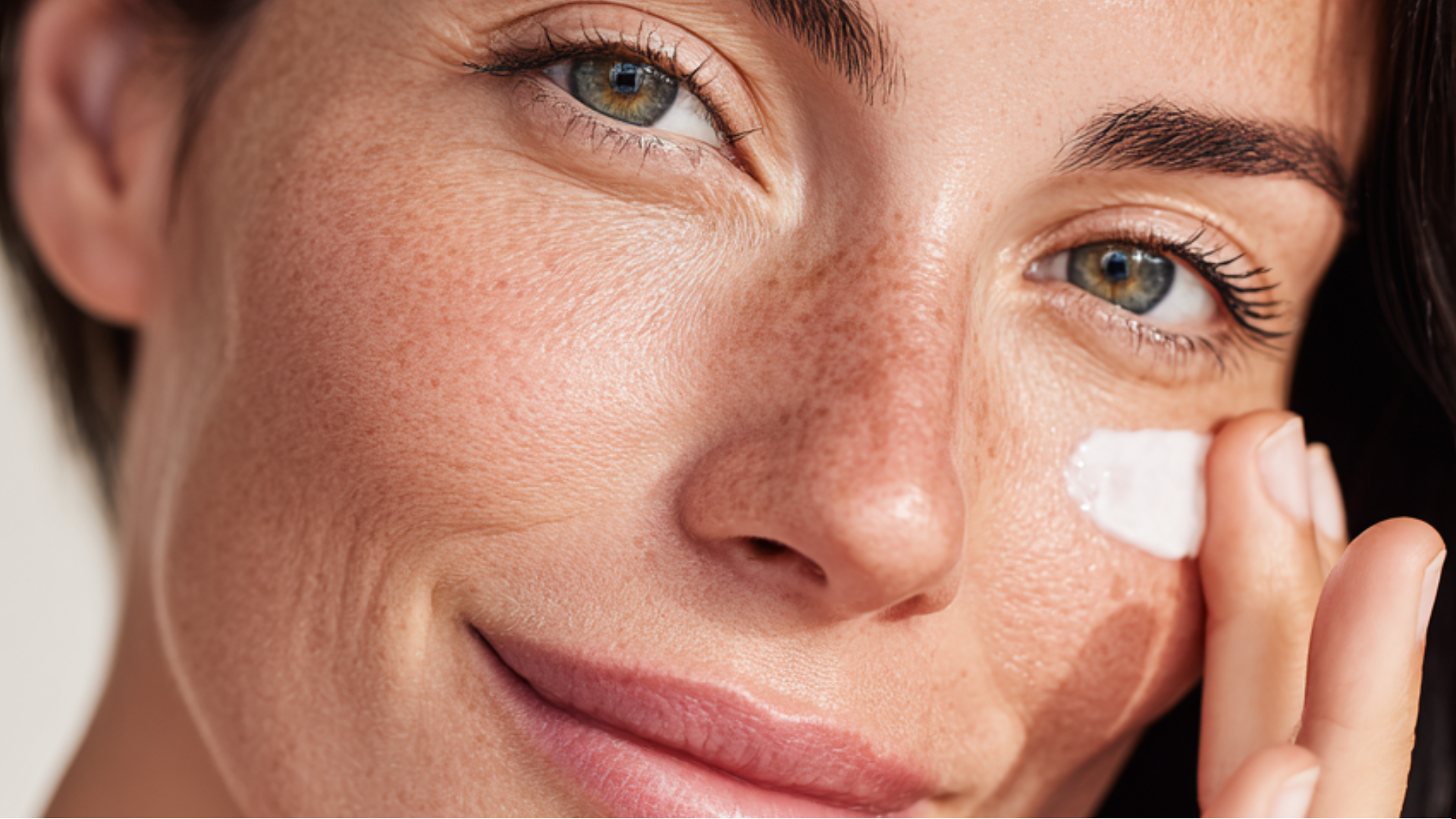


Although awareness of the importance of skin care after aesthetic procedures is widespread, much less attention is paid to the equally important step of preparing the skin before a visit to the salon. However, the effectiveness of in-office therapies depends not only on the experience of the specialist or the quality of the preparations used, but also on the condition of the skin at the time of treatment. Even the most carefully performed procedure will not bring the expected results if it is not preceded by adequate preparation and commitment on the part of the patient.
In the following article, we outline the most important principles of pre-treatment care to help you achieve the best results.
Skin as a barrier - what do you need to understand before treatments?
The skin has a protective function - it is a biological, chemical and physical barrier that retains water and protects against microorganisms or harmful external agents. For an aesthetic treatment to be successful, this barrier needs to be in good shape. Why? Because only healthy, properly moisturised skin is able to respond properly to the active ingredients used in therapy and absorb them effectively.
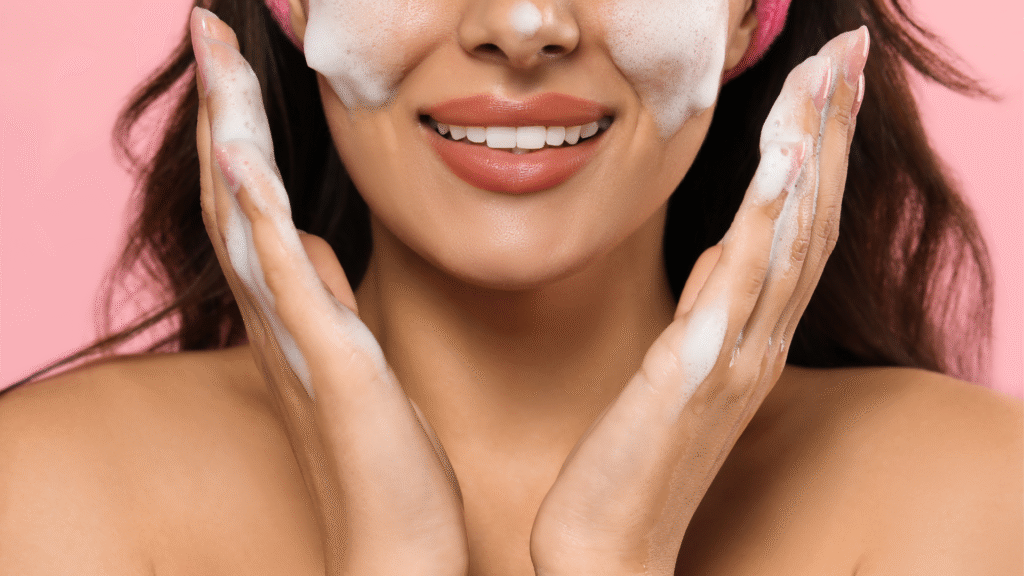
Cleansing - the first step to effective therapy.
Improperly cleansed skin, with residual make-up, sebum, impurities or dead skin cells, will not be able to respond properly to treatment stimuli. Moreover, excess keratinised epidermis acts as a physical barrier, by blocking the penetration of active ingredients, reducing the effectiveness of the treatment and increasing the risk of irritation.
It is therefore recommended that:
- daily, gentle cleansing facial skin - preferably with pH-neutral preparations without aggressive detergents,
- regular use of scrubs- to facilitate cell exchange and increase epidermal permeability.
Moisturising - an essential skincare step
Adequately hydrated skin is:
- more flexible and resistant to micro-trauma,
- responds better to all kinds of facial and body treatments,
- regenerates faster,
- and more effectively binds and utilises the active ingredients delivered in the treatments.
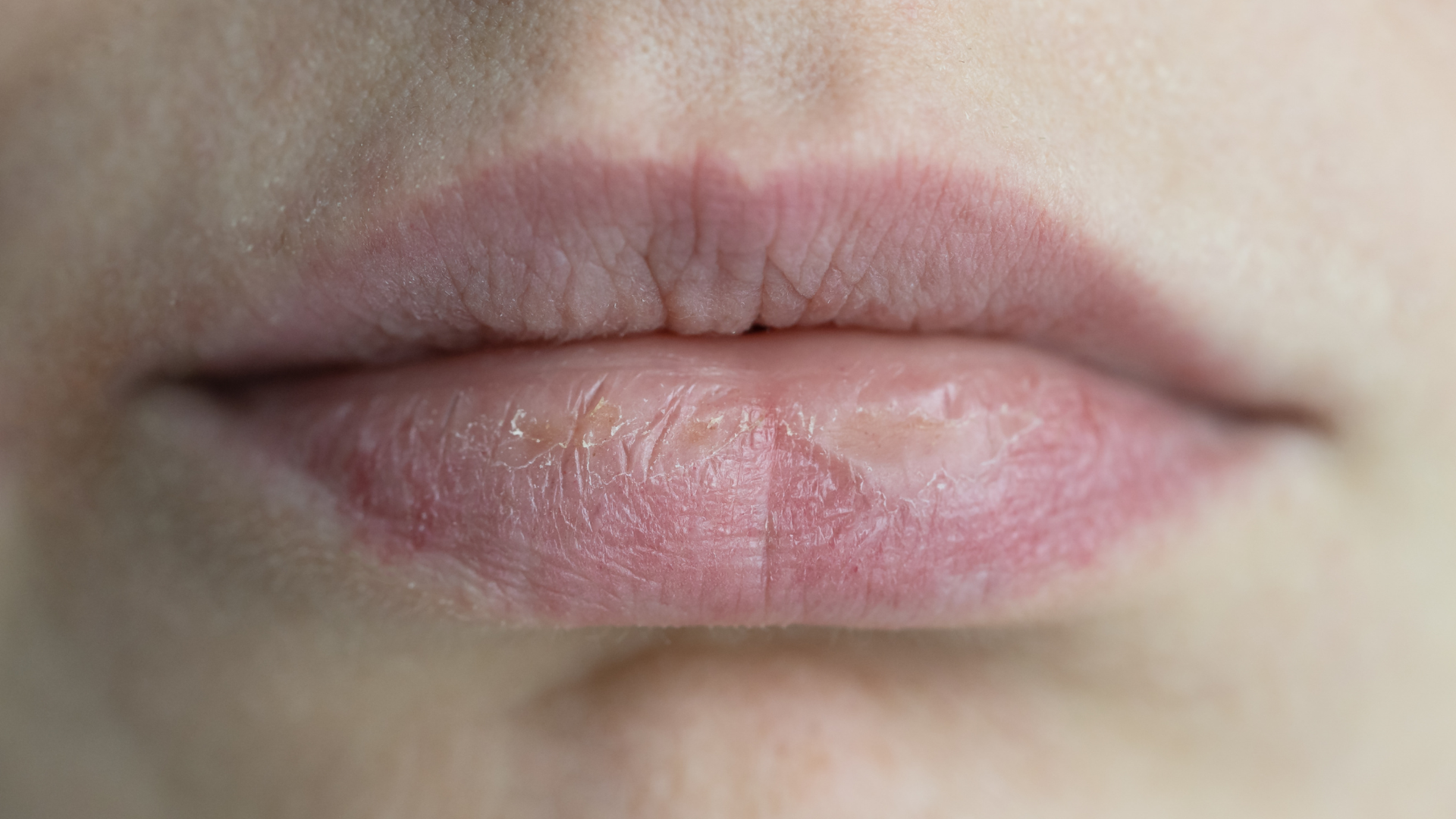
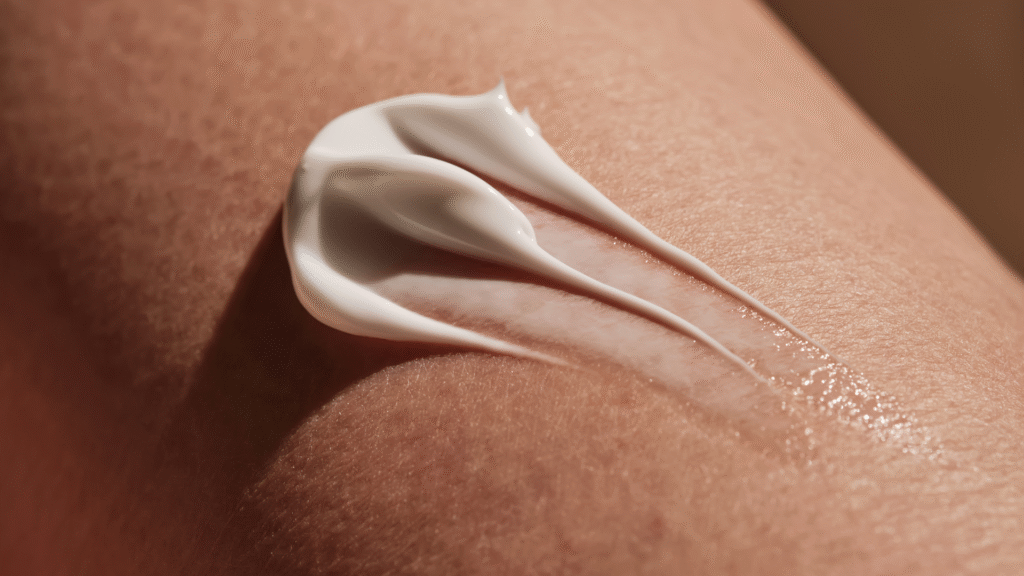
Lack of hydration before treatments leads to hypersensitivity of the skin, reduced comfort of the therapy and weakened results. Therefore, the use of hydrophilic products is recommended already at the home preparation stage, such as with hyaluronic acid, which provides long-lasting hydration and restoration of the hydrolipid barrier.
Benefits of good preparatory care
Shortening the treatment series - skin in good condition responds more quickly to the therapy, so that an effect can be achieved after fewer treatments.
Better results - active substances penetrate deeper and have a more effective effect Comfort of treatment - minimised risk of irritation and hypersensitivity.
Faster visible and long-lasting results- Well-prepared and moisturised skin allows for quicker results and "holds" them better.
What should home care look like before treatments?
1. Cleansing:
- Gentle cleansing of the skin morning and evening.
- Exfoliation 1-2 times a week (e.g. with an acid scrub).
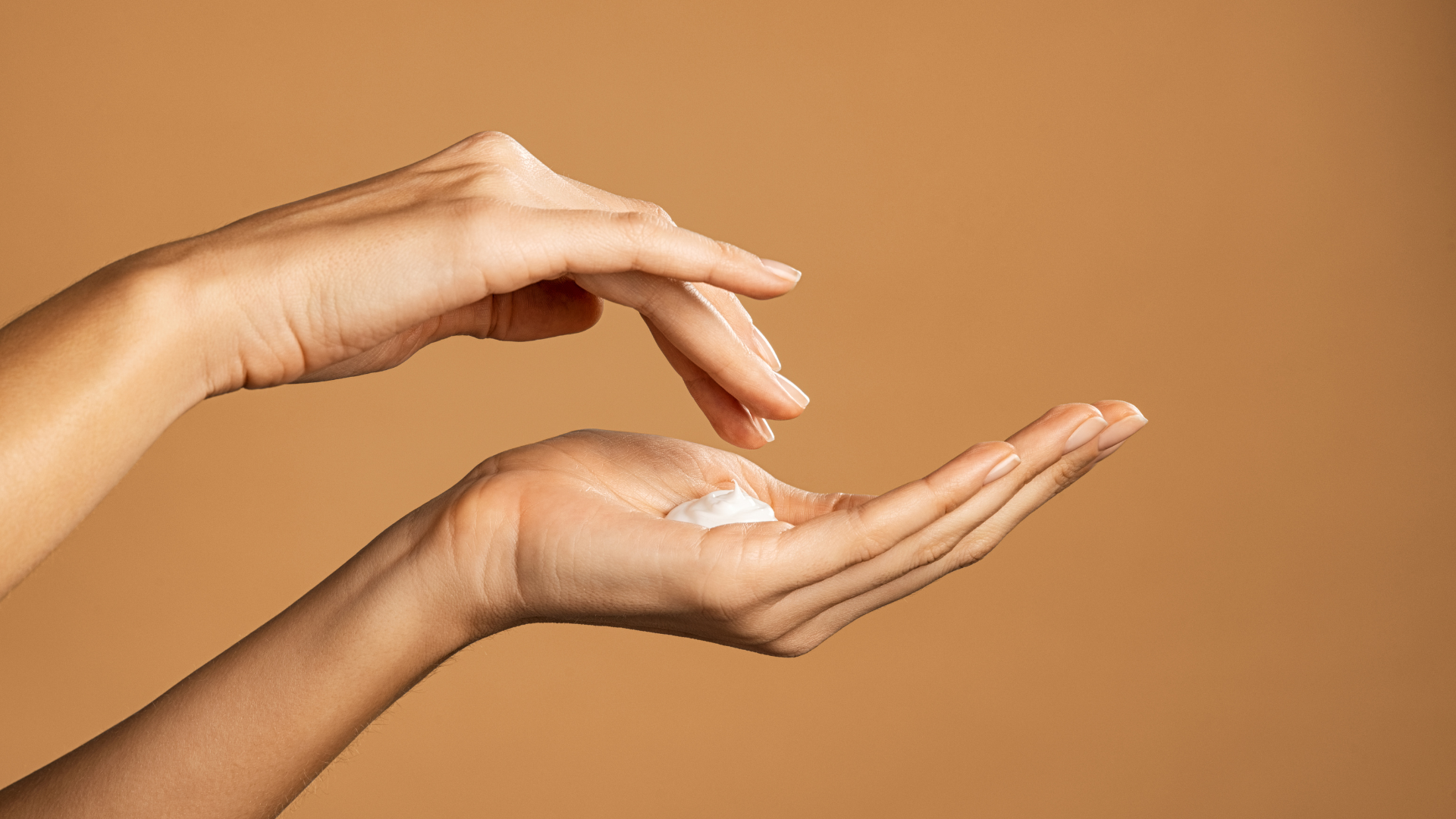
2. Hydration and regeneration:
- 4D™ Hyaluronic Acid Serum.
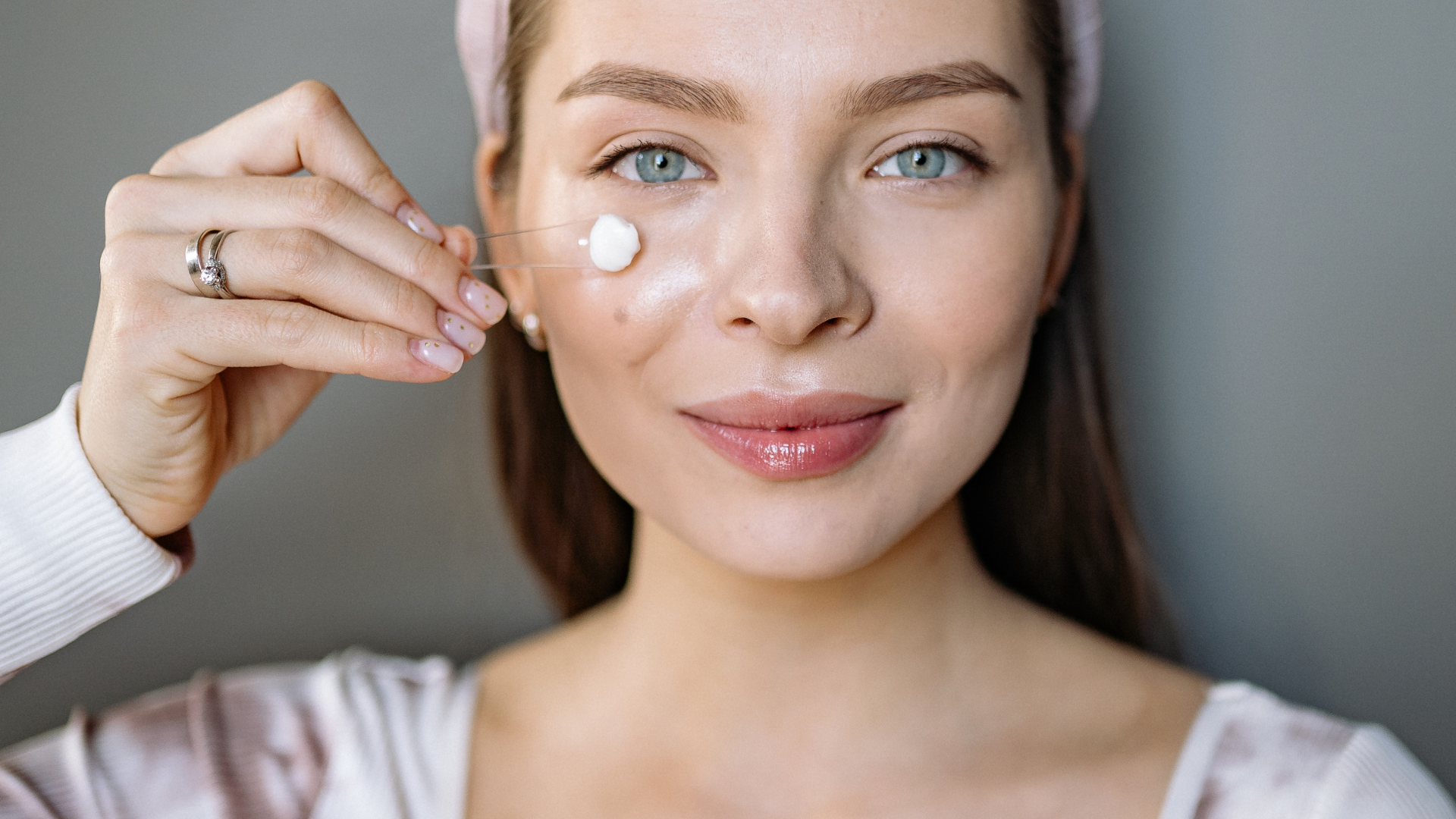
- cream with vitamins A+E and antioxidants (e.g. cream with retinol).
3. UV protection - whatever the season.
- avoid direct sunlight and the use of tanning beds in the week prior to treatment.
- Apply cream, with sunscreen, to the treatment area and all exposed skin every morning.
Summary
Preparing the skin for in-office treatments is a key step that increases the effectiveness of the therapy, shortens the time to achieve results and promotes skin regeneration after treatment. Cleansing and moisturising are two of the most important elements of this care, which are worth implementing already a few weeks before the scheduled treatment.
Cremini cosmetics, thanks to the synergy of active ingredients and advanced technologies (such as 3D Matrix or bioactive peptides), support the skin at every stage - from preparation to treatment to post-treatment care.