Retinol in skin care: answers to the most common questions.
Retinol is a vitamin A derivative whose effectiveness in improving skin texture, reducing fine lines and discolouration has been clinically proven. Despite this, many myths about it still circulate - including the belief that it makes the skin thinner or that it is not suitable for sensitive skin. Let's take a look at the most common ones together.
Does retinol make the skin thinner?
No. Not only is this one of the most common myths - in fact the opposite is true. Retinol stimulates collagen production, increasing the density of the dermis and strengthening its structure with regular use.
Can sensitive skin use retinol?
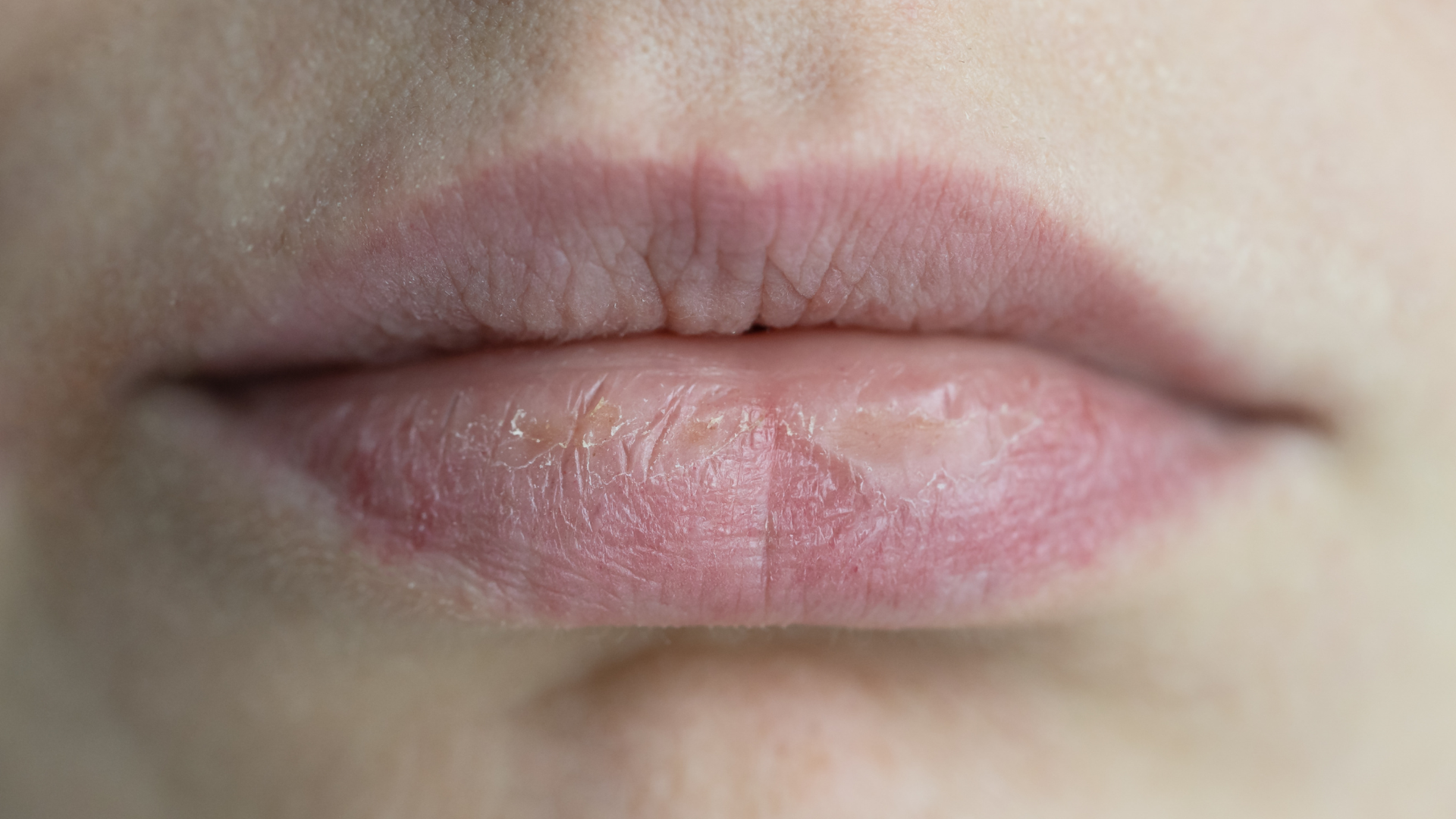
Yes - with the right preparation. How retinol is introduced is crucial. Dryness, flaking, mild burning or pinching may occur in the first few weeks - these are normal adaptive reactions that can be alleviated by starting with a low concentration and infrequent application, once or twice a week.
It is worth giving the skin time to adapt before increasing the frequency of application. Applying retinol over a light moisturiser can also be helpful. Such a 'buffer' slows down the absorption of the ingredient and reduces the risk of irritation, without significantly affecting efficacy.
Why is a 'rash face' considered a sign of progress?
"Rash" is a transitional phase that usually lasts between 2 and 8 weeks, in which existing impurities are brought to the surface of the skin more quickly. Although it can be uncomfortable, it is a temporary phenomenon - and improvement often appears just after it has ended.
If in doubt, it is advisable to consult a dermatologist for guidance on further management.
What is the difference between OTC retinol and prescription tretinoin?
Not all retinoids work in the same way. Over-the-counter retinol must be converted by the skin into retinoic acid, the active form. Prescription tretinoin is already in this form, which is why it is considered the gold standard for treating acne and photoageing.
Summary of differences:
Retinol (OTC) - requires a multi-step conversion to retinoic acid. It has a milder but slower effect.
Retinal (retinaldehyde) - is one step closer to the active form, acts faster and often more effectively than retinol, while maintaining good tolerability.
Tretinoin (Retin-A) - available by prescription only, acts directly on skin cells without the need for conversion. Used to treat acne, hyperpigmentation and signs of ageing.
Adapalene (Differin) - another prescription retinoid (lower concentrations available OTC), particularly effective in acne therapy and usually better tolerated.
The differences are not only in the potency, but also in the speed at which the effects appear. Prescription retinoids are more concentrated and offer more scope for customisation of therapy. If OTC retinol has not produced the desired results, it is worth considering a medical consultation and a change in skincare strategy.
How long does it take to see results?
Retinol has a long-term effect. The first visible changes usually appear after 6-8 weeks of regular use. In the case of fine wrinkles or hyperpigmentation, it usually takes 3 to 6 months to see a marked improvement.
It is a good idea to document progress with photographs taken every few weeks, in the same light. This often allows you to see changes that escape you when you look in the mirror every day.
Vitamin A in Cremini.
Cremini dermocosmetics - face cream, body and face cream, facial complex and vitamin oils contain an optimal dose of vitamin Aadapted to current EU standards. Thanks to this are safe for long-term use and are an effective form of skin supplementation from the outside in.
Cremini's vitamin A products play a key role in the prevention of premature skin ageing. Adequate concentration allows their regular, comfortable use without weighing down the skin, also in the long term.
For best and lasting results it is recommended to use products with vitamin A for at least 10 monthsso that the skin can benefit fully from its nurturing and protective potential.