
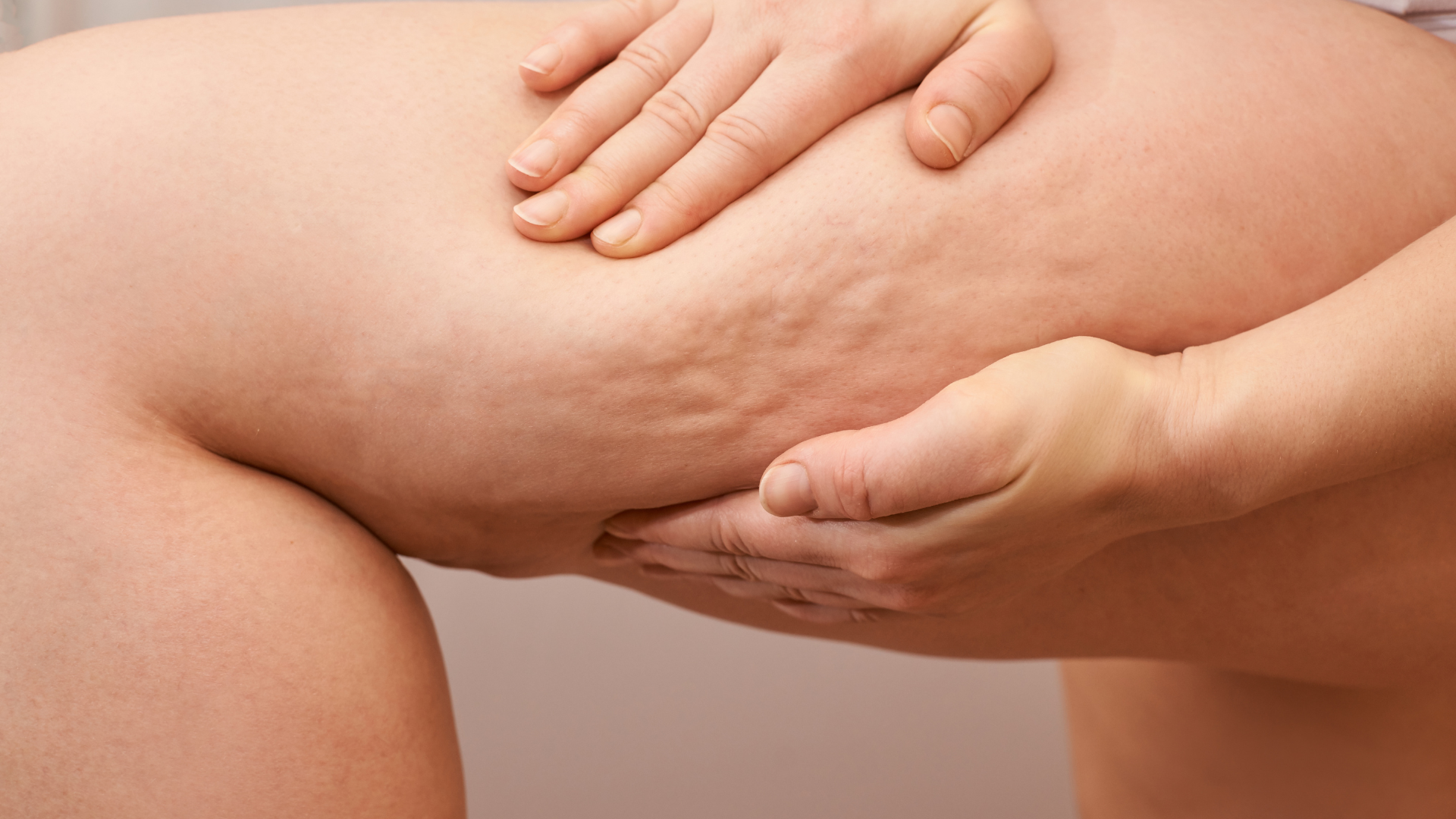
Cellulite, also known as gynoid lipodystrophy, is a common aesthetic problem affecting mainly women. It is characterised by an uneven skin surface with an 'orange peel' appearance. This article presents the mechanisms of cellulite formation, factors predisposing to its development and current preventive and therapeutic options used in aesthetic cosmetology.
1. introduction - what is cellulite?
Cellulite is a lipodystrophy that manifests as skin undulations and the presence of dimples and nodules, particularly around the thighs, buttocks, hips and abdomen. It occurs almost exclusively in women - it is estimated to affect approximately 85-98% women after puberty. Although not a health risk, it is regarded as an aesthetic defect and often affects patients' self-esteem.
2. Mechanism of cellulite formation.
The formation of cellulite is a complex process, hormonally, metabolically and structurally determined. The main mechanisms are:
- Microcirculatory disorders: Impaired lymph and blood flow leads to stagnation of fluids and toxins in the tissues.
- Proliferation of fat cells (adipocytes): An increase in the volume of adipocytes leads to their compression on vessels and collagen fibres.
- Changes in connective tissue structure: Collagen fibres thicken and shorten, causing the skin to undulate.
- Connective tissue septa (septa): In women, they run perpendicular to the surface of the skin, which favours 'pulling' the skin inwards and creating dimples.
3. factors favouring the formation of cellulite.
- Hormones: Estrogens play a key role, which is why cellulite increases during periods of hormonal change (puberty, pregnancy, hormonal contraception, menopause).
- Genetic: Family predisposition influences the development of cellulite.
- Lifestyle: A diet high in sugars and trans fats, lack of physical activity, smoking, stress and insufficient hydration.
- Clothing: Wearing tight clothing can disrupt circulation and exacerbate the problem.
4 Prevention - how to prevent cellulite?
- Physical activity: Regular exercise improves micro-circulation, reduces fat and firms the skin.
- Balanced diet: Rich in vegetables, fibre, low-processed foods and low sodium.
- Hydration: Drinking enough water supports detoxification of the body.
- Avoiding stimulants: Alcohol and cigarettes negatively affect circulation and skin texture.
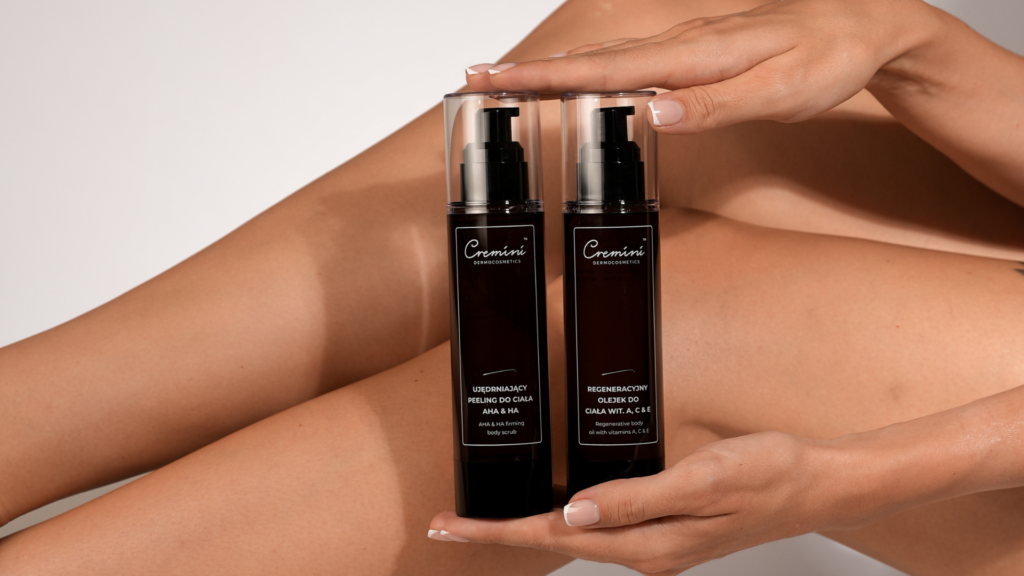
- Home care: Regular massage, dry body brushing, use of creams with caffeine, retinol, carnitine.
5. anti-cellulite therapies in aesthetic cosmetology practices.
Modern aesthetic cosmetology offers a range of effective cellulite treatments that can be used as stand-alone procedures or in combination therapy.
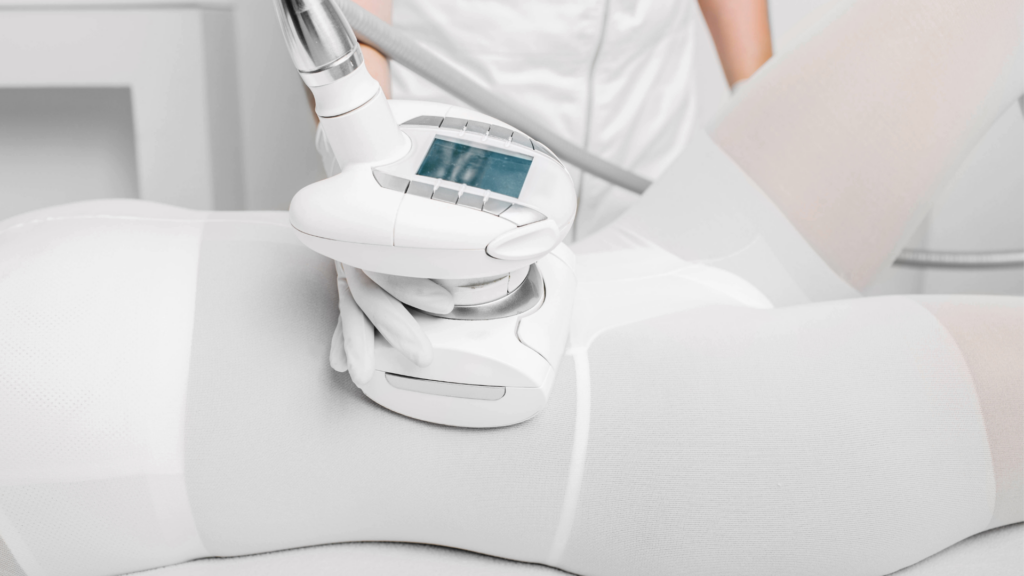
5.1 Endermologie (LPG)
A mechanical vacuum massage that stimulates lymphatic circulation, improves cell metabolism and improves skin elasticity. Regular sessions help to reduce the volume of fat cells and smooth the skin.
5.2 Carboxytherapy
It involves the subcutaneous administration of carbon dioxide, which improves local blood supply, tissue oxygenation and stimulates lipolysis. It is particularly effective in the treatment of watery cellulite.
5.3 Radio waves (RF)
They work by heating the tissues, which stimulates collagen production, improves skin tone and reduces adipocyte volume.
5.4 Needle and micro-needle mesotherapy
Introduction of active substances (e.g. caffeine, L-carnitine, plant extracts) directly into the areas affected by cellulite. Stimulates microcirculation and fat metabolism.
5.5 Cryolipolysis
Freezing fat cells leads to their natural removal from the body. It can be used adjunctively in the reduction of fatty cellulite.
5.6 Lymphatic drainage (manual and instrumental)
It helps to remove swelling, toxins and improves lymph flow, which is important in water and mixed cellulite.
Summary
Cellulite is a complex aesthetic problem that requires a holistic approach. It is crucial to combine a healthy lifestyle with professional cosmetic treatments. The choice of treatment method should always be preceded by an individual diagnosis and tailored to the type of cellulite and the patient's skin condition.