
Oxidative stress is a term that is increasingly emerging in the context of skin health and overall body health. Although the term may seem paradoxical (after all, oxidative stress is a negative phenomenon), it actually refers to an imbalance between free radicals and antioxidants. The aim of this article is to explain the nature of oxidative stress, its effects on the skin and to present proven dietary and cosmetological strategies to help protect and regenerate the skin.
1. What is antioxidant stress?
Antioxidant stress is a condition in which the body (or a specific tissue, such as the skin) has a antioxidant deficiencywhich are compounds that neutralise free radicals (reactive oxygen species - ROS). In contrast to oxidative stress, which is the result of excess free radicals, antioxidant stress can occur as a consequence:
- inadequate diet (poor in antioxidant vitamins),
- chronic psychological stress,
- metabolic disorders,
- intensive exposure to environmental factors (UV, smog, cigarette smoke),
- inadequate skin care (or lack thereof).
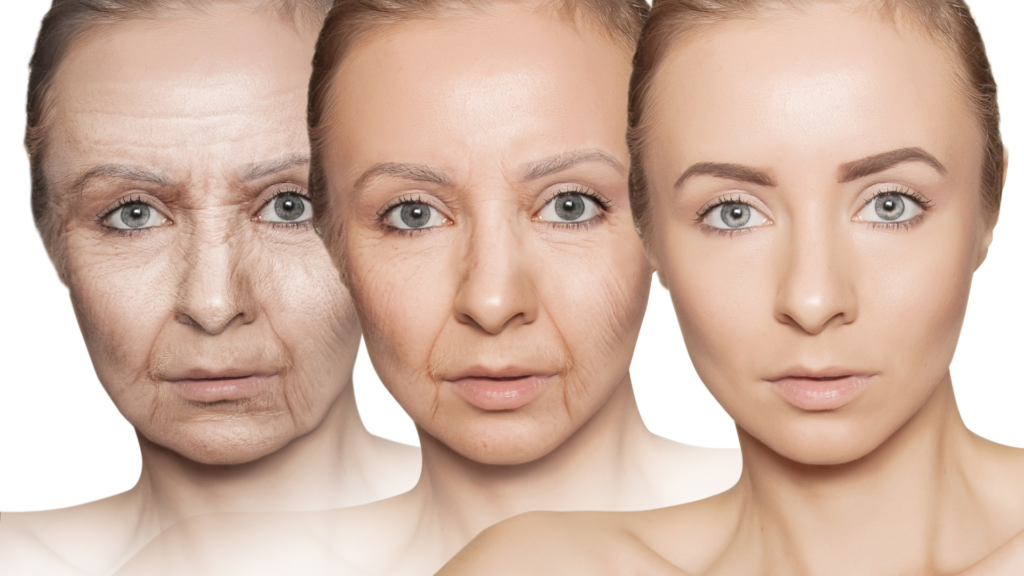
The body in this state loses its ability to effectively fight oxidation processes, which translates into faster ageing of skin cells and structures.
2. How does antioxidant stress affect the skin?
The skin is an organ heavily exposed to external factors and is therefore particularly vulnerable to antioxidant stress. Its effects include:
- Accelerated skin ageing - collagen and elastin degradation,
- Loss of firmness and elasticity - weakening of the skin's support structures,
- Increased sensitivity and inflammation - activation of pro-inflammatory cytokines,
- Uneven skin tone, discoloration - melanocyte dysfunction,
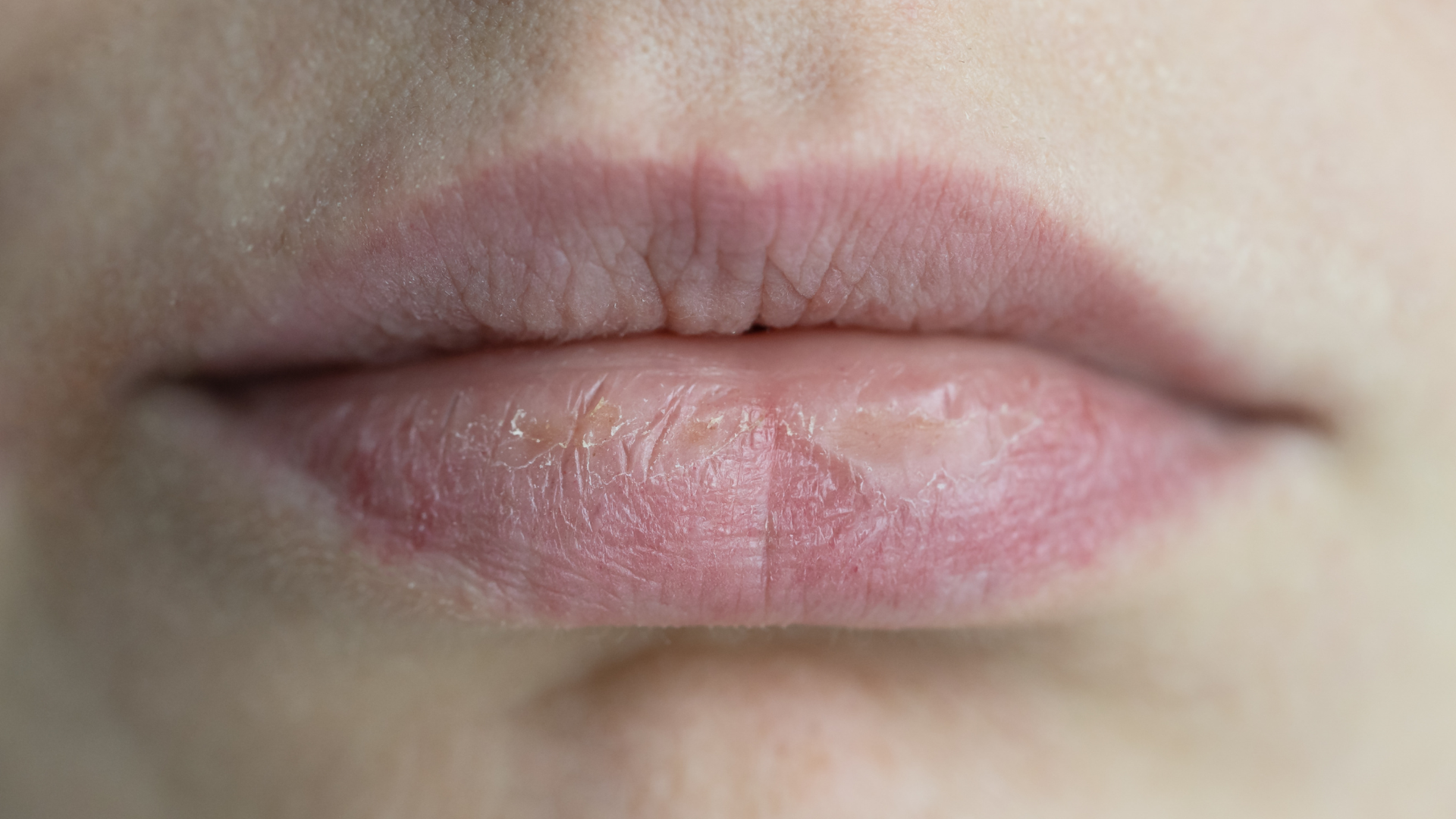
- Skin dehydration - damage to the hydrolipid barrier,
- Flabbiness and a grey, tired appearance of the skin - microcirculation disorders.
3. How to deal with antioxidant stress?
3.1 Diet - antioxidants from within
A diet rich in natural antioxidants is a key element in the prevention and treatment of antioxidant stress. It is worth including in the daily menu:
- Vitamin C - Strong water-soluble antioxidant, promotes collagen synthesis. Sources: peppers, citrus fruits, parsley, berries.
- Vitamin E - Fat-soluble, protects cell membranes. Sources: vegetable oils, nuts, avocados.
- Polyphenols - present in green tea, cocoa, red wine, berries.
- Selenium and zinc - cofactors of antioxidant enzymes (e.g. superoxide dismutase).
- Carotenoids - Beta-carotene, lutein, lycopene - help protect against UV. Sources: carrots, tomatoes, pumpkin.
It is also important to limit pro-oxidant products such as highly processed foods, excess simple sugars, trans fats and alcohol.
3.2 Home care - antioxidant active ingredients
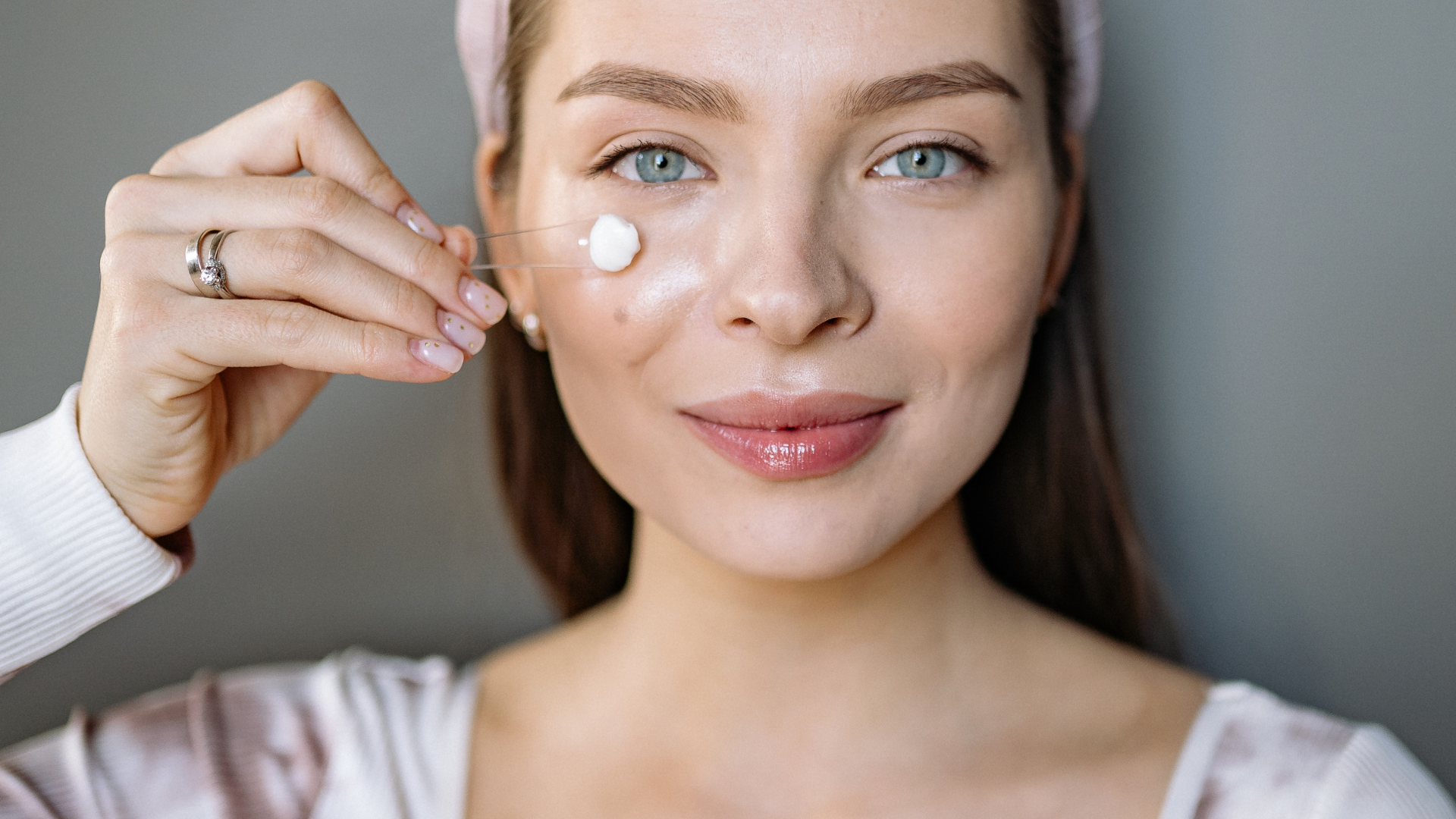
Well-composed home care can significantly reduce the effects of antioxidant stress. Key active ingredients include:
- Vitamin C (ascorbic acid / its derivatives) - neutralises free radicals, brightens the skin and stimulates collagen synthesis.
- Coenzyme Q10 - protects cell membranes, improves skin elasticity.
- Niacinamide (vitamin B3) - has an anti-inflammatory effect and strengthens the epidermal barrier.
- Green tea extract, resveratrol, ferulic acid - plant polyphenols with strong antioxidant activity.
- Biomimetic peptides - support the regeneration and defence functions of the skin.
- Hyaluronic acid - although it is not an antioxidant, it supports the maintenance of hydration, which reduces oxidative damage.
- UV filters / sun protection - Even the best antioxidant cannot withstand exposure without UV protection.
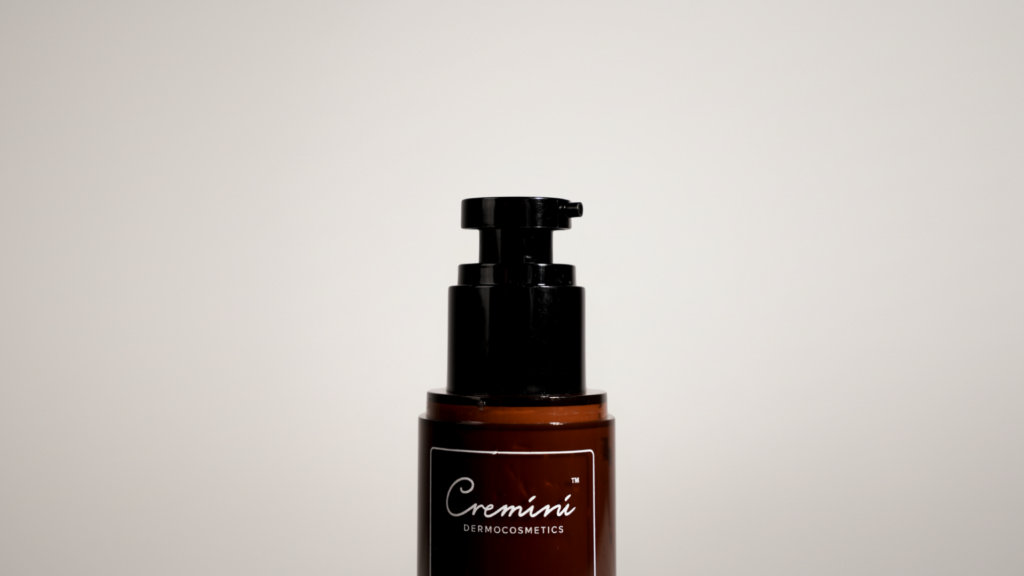
Which Cremini products to consider as key in the context of antioxidant stress:
Vitamin oils A, C & E - Absolutely essential in the fight against free radicals - especially at night or as an intensive treatment, it provides all three antioxidant vitamins.
Cremini peptide booster - Great as a lighter daily antioxidant layer without overloading the skin.
Cremini face cream - stimulates regenerative mechanisms important in the fight against oxidative ageing.
Ultra gentle cleansing foam Niacinamide & B5 - an often underestimated element, as adequate cleansing minimises the appearance of secondary free radicals resulting from skin barrier dysfunction.
In practice, a multi-layered application is advisable: e.g. gentle cleanser → toner/essence → antioxidant serum → cream/oil → UV filter (in the morning)
Summary.
Oxidative stress is an often overlooked but important issue affecting skin health and appearance. Both proper diet and home care are crucial in restoring oxidative balance. Brand cosmetics Cremini - thanks to the use of advanced active ingredients - can provide effective support in the fight against signs of antioxidant stress. Their regular use, combined with a healthy lifestyle, keeps the skin young, radiant and resistant to negative environmental influences.