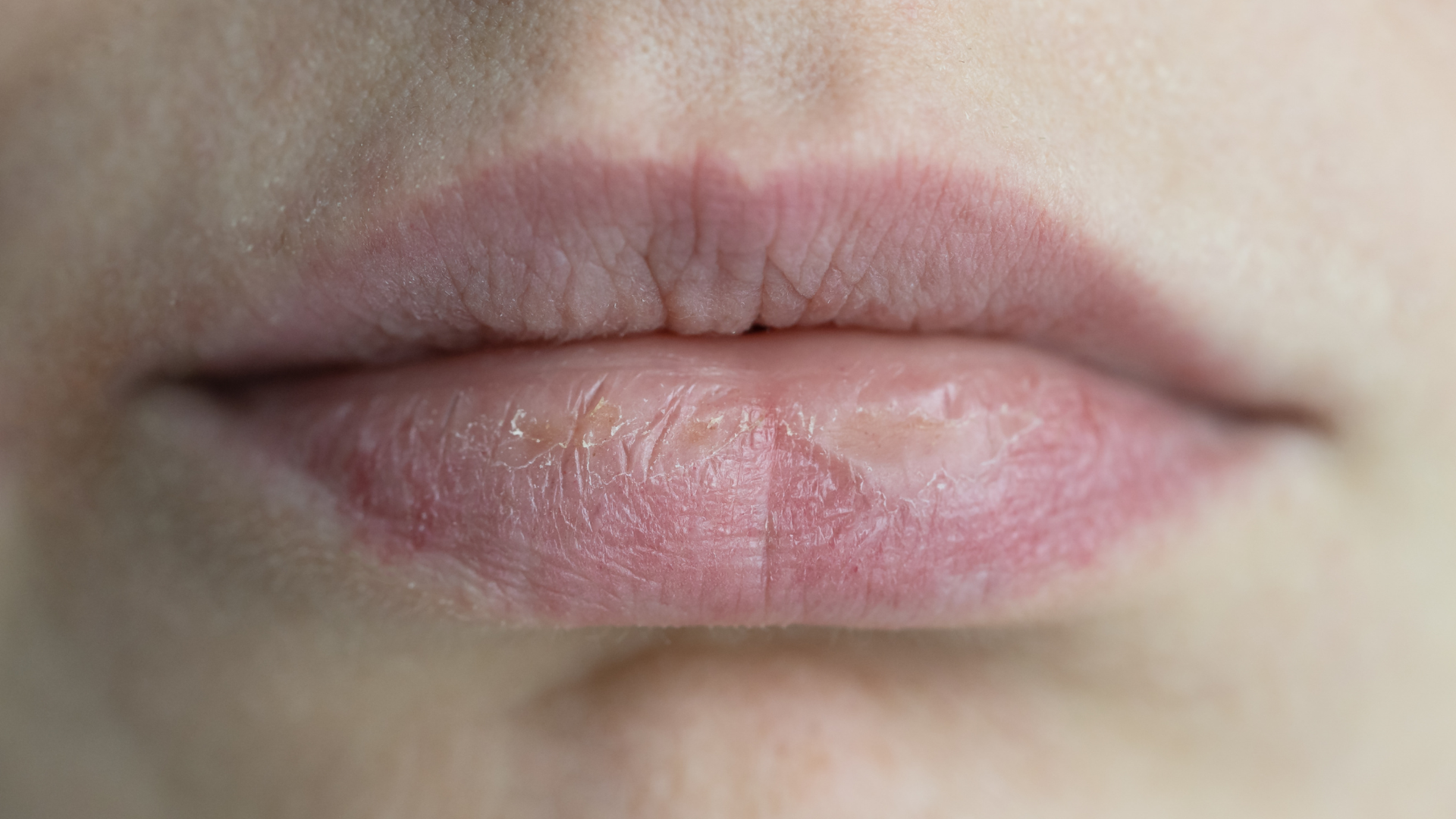

In winter, the skin faces a particularly difficult challenge. It experiences rapid temperature changes on a daily basis, moving from frigid, windy air to warm, often dry interiors. In such conditions, the hydrolipid barrier - a thin but vital protective layer that determines whether the skin will remain hydrated, supple and resilient or become dry, irritated and hyper-reactive - plays a key role.
The hydrolipid barrier is made up of water and lipids naturally found in the epidermis. Its function is to retain moisture in the skin while protecting it from external factors such as frost, wind, pollution and microorganisms. In winter, the structure of this barrier is weakened - low temperatures reduce sebum production and dry air promotes intensive evaporation of water from the skin surface. As a result, the epidermis loses its tightness, becomes more permeable and more susceptible to damage.
In order for the hydrolipidic barrier to function properly, it is necessary to strengthen it systematically with the right active ingredients. Ceramides, naturally present in the skin, act as a 'cement' binding the epidermal cells together - their deficiency leads to the formation of micro cracks and moisture loss. Lipid components such as squalane, vegetable oils or shea butter make up for deficiencies in the protective layer, improve the skin's elasticity and protect it from excessive dryness. Equally important are moisturisers, such as hyaluronic acid or glycerine, which bind water in the epidermis and restore a feeling of comfort to the skin. In addition, niacinamide reinforces the skin's defensive functions, reduces the susceptibility to irritation and supports regeneration processes, which is particularly important in winter.
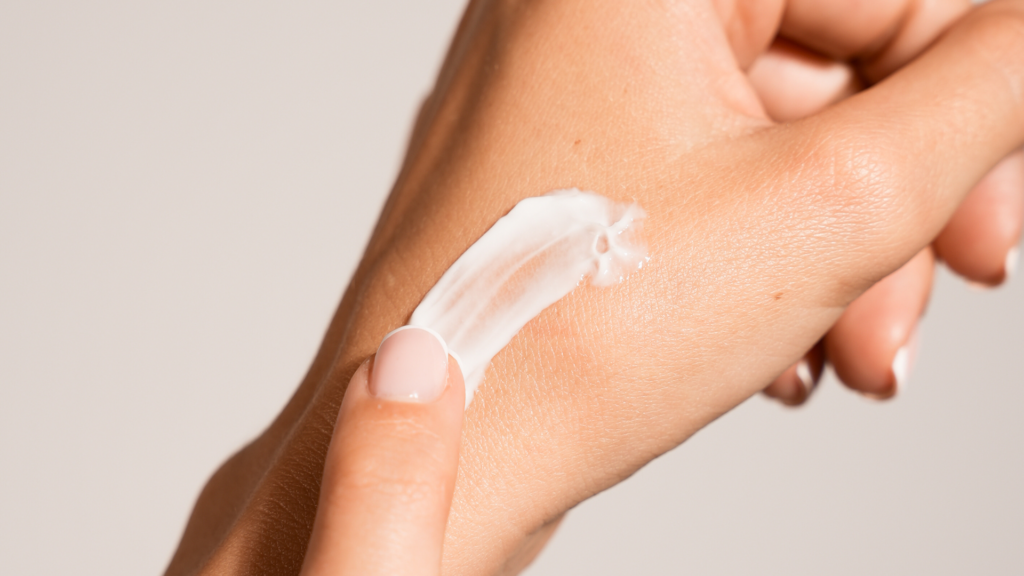
Skin structure versus penetration barrier.
The skin is the largest organ of the human body and has a primarily protective function. Its outer layer, the epidermis, or more precisely its outermost part, the stratum corneum, is the main barrier to external substances.
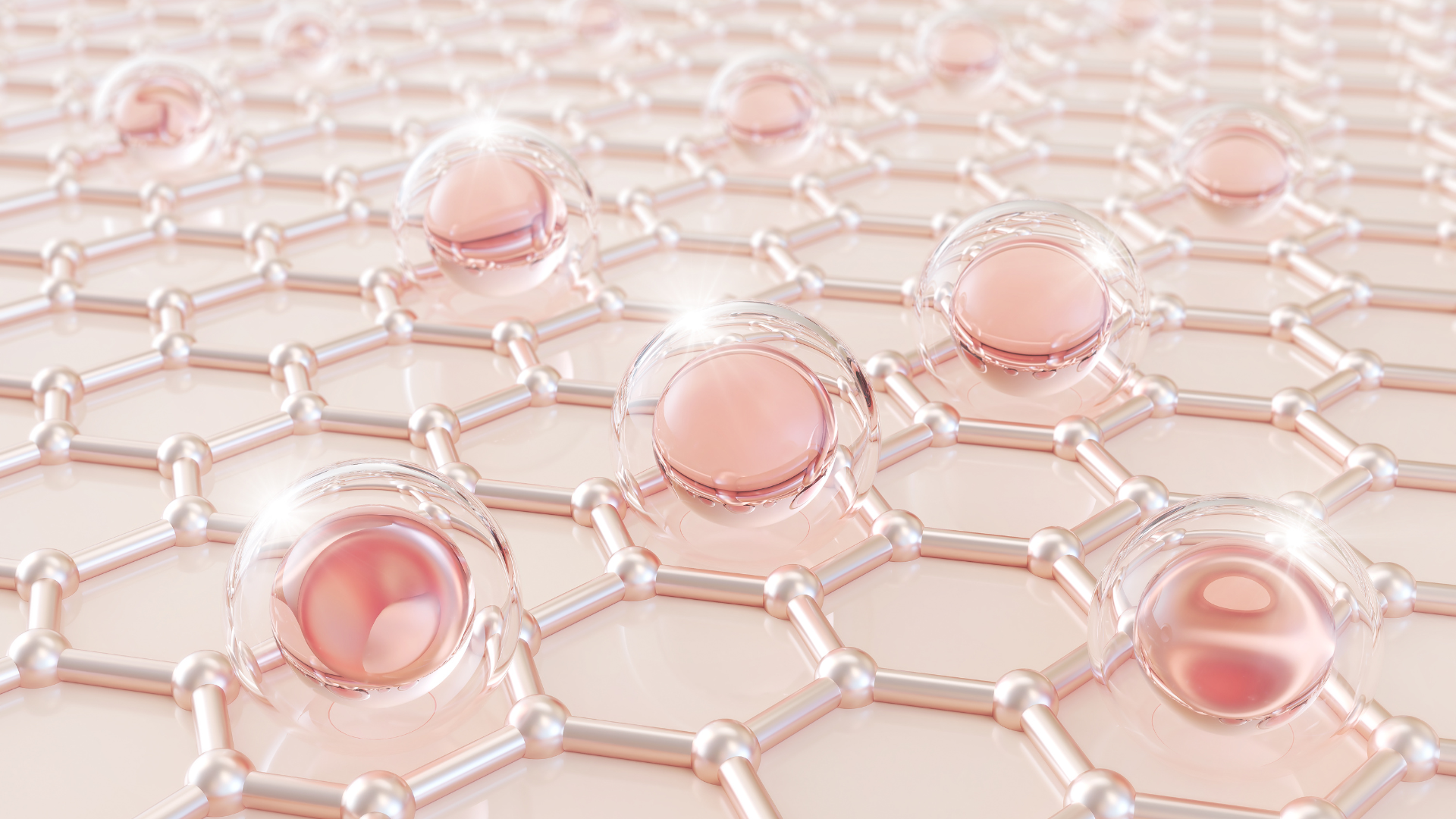
The stratum corneum consists of dead, flattened cells (corneocytes) embedded in a lipid 'cement'. It is this structure that determines which substances have the chance to penetrate deep into the skin and which remain on the surface.
Wind and frost - how do they damage the skin's natural defences?
Exposure to frost and strong winds directly affects the functioning of the skin, leading to a constriction of blood vessels and a reduced supply of oxygen and nutrients. The skin then becomes paler, less elastic and less able to regenerate. Wind also increases the loss of water from the epidermis, which intensifies the feeling of dryness, tightness and burning.
If the skin is not properly protected, its protective barrier is further weakened. Redness, broken capillaries, hypersensitivity and an exacerbation of dermatological diseases such as atopic dermatitis or rosacea can occur. Long-term neglect of winter care also results in accelerated skin ageing, loss of firmness and a greater tendency to inflammation.

Heating - an invisible factor drying out the skin.
Although heated rooms are essential in winter, they have a very detrimental effect on the condition of the skin. Dry, warm air causes intensive evaporation of water from the epidermis, which leads to dehydration and an imbalance of the hydrolipidic film. The skin becomes rough, dull and often reacts with burning and increased sensitivity.
In such conditions, it is crucial not only to use richer regenerating creams, but also to ensure adequate humidity and hydration of the body. By limiting long, hot baths and relying on mild cleansers, additional damage to the protective barrier can be avoided.
What to look for in winter skincare products?
Ceramides - rebuild the epidermal structure and prevent water loss.
Humectants (hyaluronic acid, glycerine, betaine) - bind water in the epidermis, improving its hydration.
Lipid components (Squalane, vegetable oils, shea butter) - replenish lipid deficiencies and protect the skin from drying out.
Niacinamide (Vitamin B3) - strengthens the protective barrier and reduces the tendency to irritation.
Panthenol and allantoin - soothe and promote skin regeneration.
In winter, skin care should focus primarily on restoring and protecting the hydrolipidic barrier, which is the first line of defence against adverse weather conditions. It is its good condition that determines the level of hydration, resistance and comfort of the skin. By consciously supporting the skin with the right ingredients and changing daily habits, it is possible to survive the winter without irritation and maintain a healthy, radiant appearance until spring.